

























































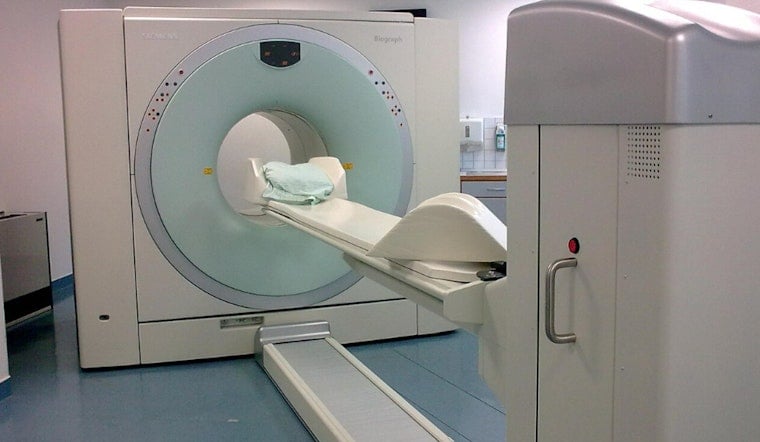
Hawaii Isotope Technology has cut the ribbon on a $20 million cancer imaging drug facility in Kailua, marking the company’s first dedicated cyclotron-based production site in the state. Built over roughly 28 months, the plant centers on a shielded vault that now holds a large accelerator the company says was shipped from Sweden. Company leaders say the lab will produce short-lived PET tracers locally instead of relying on long-distance shipments, with routine doses still targeted by year-end 2026. Founder and CEO Jud Adcock is leading the operation.
According to Pacific Business News, the Kailua project cost about $20 million and took roughly 28 months to complete. The outlet notes the plant’s centerpiece is an 80,000-pound cyclotron that was imported from Sweden and installed inside a shielded production vault.
What’s inside the new Kailua plant
The company’s public updates and hiring listings indicate the lab is outfitted for cGMP radiopharmaceutical manufacturing with support systems for routine production and quality control. Equipment called out includes a GE PETtrace cyclotron, GE FASTLab synthesis modules and Comecer hot-cells, plus a clean room and on-site QC space, according to the firm’s LinkedIn.
Production timeline
Hawaii Isotope Technology expects to begin producing the state’s most common PET imaging drug by year-end 2026, according to Pacific Business News. That tracer is typically fluorodeoxyglucose (18F-FDG), which is produced on nearby cyclotrons because the isotope’s short half-life makes long shipments impractical, as described by the National Academies.
Why it matters for Hawaii patients
Local production should shorten delivery times and reduce the risk that scans are delayed or canceled when remote suppliers face outages. The U.S. still leans on foreign sources for many medical isotopes, and regional cyclotrons can blunt the impact of international reactor or shipping disruptions, industry reporting notes.
More reliable, on-island tracer supply could be especially important for oncology care and other time-sensitive imaging, since PET tracers like 18F-FDG decay quickly and must be used soon after manufacture, industry analysts say (Radiology Business).
Jobs and the local workforce
The new facility is creating skilled positions: current listings seek cyclotron engineers, radiochemists, nuclear pharmacists and QC staff. Those postings include salary ranges and detailed responsibilities, indicating the operation will be staffed by a multidisciplinary team tasked with both production and regulatory compliance (Indeed).
What to watch next
Before routine commercial distribution begins, the company must complete validation and release testing and meet applicable state and federal regulatory requirements; its hiring notices highlight the need to operate under NRC, FDA and state rules. Observers will be watching how quickly the facility clears those milestones and whether on-island production eases scheduling and access to PET imaging for hospitals and clinics across Oahu (National Academies).





