

























































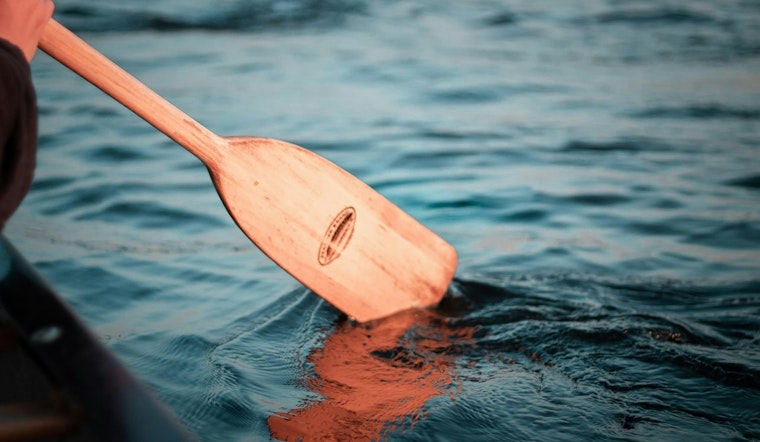
On rivers and lakes across Oregon, a fast-growing flotilla of paddlers is trying to torpedo the state’s new waterway access permit before it ever really gets going. The grassroots campaign, Let Us Paddle, is hustling to put a repeal of the fee on the November ballot, arguing the new charge will make low-impact, quiet recreation harder to afford. For them, it is a straightforward access fight: they say human-powered craft like kayaks and stand-up paddleboards should stay free to use.
Ballot drive and the math
Let Us Paddle is backing Initiative Petition 2026-053 and has been gathering signatures for months. As reported by KPTV, the group had collected at least 20,000 signatures while staring down a verification hurdle of roughly 120,000 valid signatures to reach the ballot. Organizers told reporters they hope to gather about 130,000 more by July 2.
Campaign filings and public materials show that organizers began outreach last year and set an internal target comfortably above the statutory minimum, expecting that some signatures will be tossed during verification. If the petition clears the state’s checks and is certified, Oregon voters will get to decide on the repeal this November.
What the permit requires and why the state says it's needed
Under changes approved by the Legislature in 2025, nearly everyone operating a non-motorized boat in Oregon must buy and carry a Waterway Access Permit starting in 2026. The Oregon State Marine Board lists three price options: a seven-day permit for $6, a one-year permit for $20 and a two-year permit for $35. Paddlers who do not have the permit can face a Class D violation, with a fine of about $115.
According to the Marine Board, permit dollars flow into aquatic invasive-species inspection stations and a grant program designed to improve non-motorized access. That includes paddle-friendly launches, staging areas and other amenities that help people get small craft on and off the water.
Why paddlers are pushing back
Opponents counter that they are being asked to pay for risks they say they do not meaningfully create. Organizers and volunteers argue that human-powered boats pose far less invasive-species danger than trailered motorboats, yet casual, mostly in-state paddlers are being asked to shoulder new costs.
“This campaign is being powered by the people who actually use Oregon’s waterways,” the Let Us Paddle PAC wrote in a press release, adding that it supports reasonable inspections but not a blanket fee on low-risk users. That message has helped fuel “float” protests, signature drives and outreach at events around the state, according to the group’s public materials. Organizers repeatedly emphasize they want enforcement aimed at higher-risk motorized traffic instead of a broad paddle permit.
Trade-offs and the funding impact
Some river advocates point out that the permit is already paying for things paddlers use. They note that revenue has gone toward building or upgrading launches and funding inspection work that focuses on higher-risk, trailered boats. Those benefits, they say, would vanish if the program is scrapped.
American Whitewater has urged paddlers to weigh the cost of an annual permit against losing the Waterway Access Fund and its associated grants, which the group says have paid for recent access projects. The broader debate is about whether relatively small user fees are the right tool to pay for invasive-species prevention and better public access.
What's next
With the early July signature deadline closing in, campaign leaders say volunteers will keep fanning out across the state, aiming to turn in a healthy buffer of signatures to the Secretary of State so the petition can survive the verification cull. Let Us Paddle’s public materials say the group is prepared to keep organizing even if it falls short of the official threshold, with continued outreach planned into the summer.
If supporters hit the mark and the state certifies the petition, the question of whether to repeal the waterway access statute will be in voters’ hands this fall.





