

























































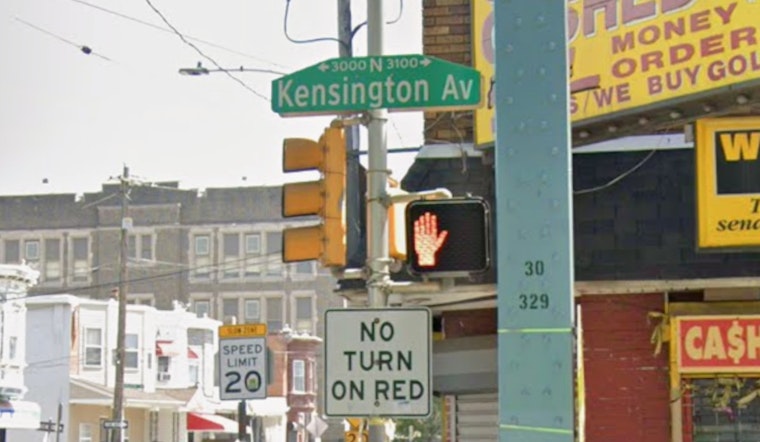
A vacant building in Philadelphia’s Kensington neighborhood partially collapsed Wednesday evening, its roof dropping in along the 3100 block of Kensington Avenue. SkyForce10 helicopter footage around 6:15 p.m. captured a large section of the roof shoved inward and debris scattered across the sidewalk as emergency crews moved in to secure the scene. Officials had not yet said whether anyone was injured.
According to NBC10 Philadelphia, city records show the property was tagged “imminently dangerous” by the Department of Licenses and Inspections on May 14, 2026. The building sits right next to the Market-Frankford El tracks, but trains appeared to be running as usual during the evening, the station reported. Investigators had not released a cause for the collapse at the time of NBC10’s report.
Imminent Danger Tag Puts Pressure On L&I
The “imminently dangerous” label gives L&I the power to demand immediate repairs from an owner or to move toward an emergency demolition if nothing is done. A 2024 special investigation by the City Controller’s Office found that L&I’s inspections unit was understaffed and struggling to keep up with scores of unsafe and imminently dangerous buildings, leaving problem properties standing while legal and logistical headaches drag on.
L&I inspections commissioner Basil Merenda told The Inquirer that the department is “making do with what we have” while it pulls in staff from other units to help deal with risky structures.
How The City Responds
Under city rules, once a property is flagged as imminently dangerous, the owner is notified and given a short window to pull permits and submit engineering plans. If that does not happen, L&I can move ahead with demolition and bill the owner for the work, according to the city’s own guidance.
The City Controller’s Office warned that “long court processing delays leave L&I inspectors unable to reinspect imminently dangerous properties every 10 days,” a requirement that is supposed to keep the worst buildings on a tight safety leash. Those delays can stretch out how long hazardous structures sit in neighborhoods.
For practical details on violation types and permits, residents and property owners are directed to the City of Philadelphia information on violation and order categories, as well as the city’s City of Philadelphia guidance on make-safe permits for dangerous buildings.
Neighbors and The Wider Context
Kensington residents have already been watching a string of recent fires, complaints about vacant properties and structural problems in the area, and Wednesday’s collapse has renewed calls for faster enforcement and more resources for L&I. Citywide, the issue has been hard to ignore since the deadly partial collapse of a Grays Ferry parking garage on April 8, which killed construction workers and triggered multiple investigations, as detailed by WHYY.
Local advocates argue that the recurring pattern of dangerous buildings and slow follow-up has left neighborhoods like Kensington exposed to exactly the kind of failure that played out along Kensington Avenue.
City and emergency officials remained on scene into Wednesday night and had not released any determination on what caused the collapse. This is a developing story and will be updated as officials release more information or additional records become available. For the first round of coverage and the SkyForce10 aerial video, see NBC10 Philadelphia.



