

























































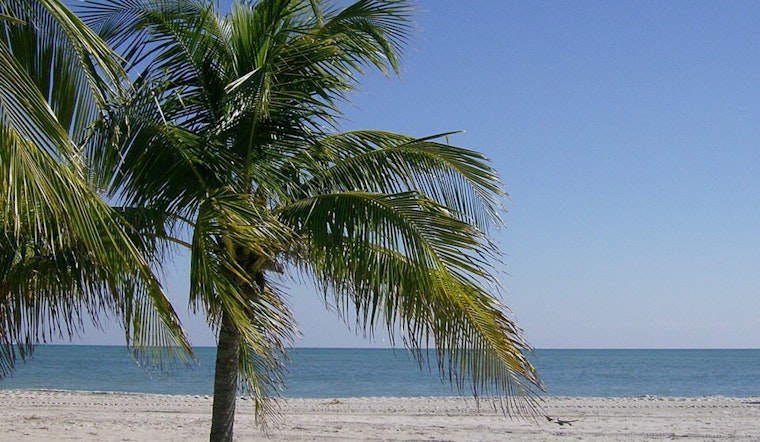
Just as Memorial Day weekend approaches, the Florida Department of Health in Miami-Dade County has warned that water at Crandon Park North on Key Biscayne is unsafe for swimming after recent testing detected elevated fecal-indicator bacteria. The advisory urges people to skip all water-related activities at the beach until follow-up samples meet state health standards. County parks staff and lifeguards have been told to post notices and keep a close eye on the shoreline.
What officials said
The department issued the advisory after a sampling showed the water did not meet the state's recommended recreational water-quality criteria for Enterococcus bacteria, as reported by the Miami Herald. "Enterococci are enteric bacteria that normally inhabit the intestinal tract of humans and animals," the department explained, warning that high concentrations can increase the risk of gastrointestinal illness, skin infections or rashes. Officials said the advisory will stay in place until bacteria levels drop back to accepted health standards.
Recent test history
State records on the Florida Healthy Beaches tracker show intermittent spikes at Crandon Park North this spring, with readings that bounced from "good" to "poor". Recent examples include 134 enterococci on April 28 and 300 on March 31, both listed as poor. Those lab results and site histories are posted on the state's beach tracker. Check up-to-date readings at Florida Healthy Beaches.
A wider problem in county waters
Environmental groups say this latest advisory fits into a broader pattern of contamination in parts of Miami-Dade. A Surfrider Foundation Clean Water report flagged two Miami-Dade sampling sites, Park View Kayak Launch and Margaret Pace Park, among the nation's top "bacteria hot spots," highlighting recurring runoff and sewage-infrastructure pressures. Local advocates point to stormwater and aging pipes as common drivers of elevated bacteria counts.
What beachgoers should do
For now, beachgoers are advised to avoid swimming at Crandon Park North until officials lift the advisory and to stay out of saltwater for 24-48 hours after heavy rain. For the latest updates and contact information, visit the Florida Department of Health in Miami-Dade's website or call DOH-Miami-Dade at 305-324-2400. If you develop symptoms after water exposure, seek medical care and let your provider know about possible contact with contaminated water.





