

























































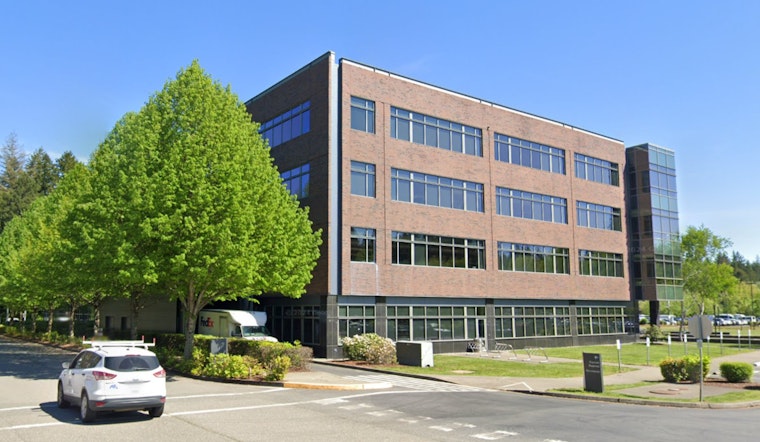
Bryson Butler, a Kitsap County man who chose treatment over more prison time, now says the state sent him somewhere very different from what the judge had in mind. He has filed a federal lawsuit claiming he endured anti-gay harassment and religious proselytizing while in a court-ordered residential treatment program. The complaint names the Washington Department of Corrections (DOC) and American Behavioral Health Systems (ABHS) as defendants and asks for court orders blocking religious instruction at the facility, along with damages for emotional distress. Butler says the placement was part of a Drug Offender Sentencing Alternative, or DOSA, that left him at risk of more custody time if he was deemed noncompliant.
What the complaint alleges
The lawsuit says DOC placed Butler at an ABHS residential treatment center on May 19, 2025, and that he completed the program on July 24, 2025. According to the complaint, counselors and volunteers pushed residents toward Christian beliefs during mandatory programming, including distributing a religious comic called "Doom Town" at a required meeting. The filing says staff made disparaging remarks about same-sex relationships, allegedly calling two men kissing "disgusting" and telling residents that "sodomy is wrong."
Butler, who is gay and HIV-positive, reported what he describes as anti-gay and religiously charged conduct to his case manager, ABHS leadership, his DOC officer and a Prison Rape Elimination Act (PREA) auditor. The complaint says the behavior continued anyway and argues that ABHS had the power to declare him noncompliant, a finding the suit says could have exposed him to additional prison time under his DOSA terms. KING 5 reports the allegations.
ABHS' role and DOC oversight
ABHS runs residential treatment programs that, at times, house people placed there under DOC supervision. DOC PREA audit documents list ABHS as a contracted residential treatment provider and outline the department's oversight responsibilities when people in state custody are sent to outside facilities. Those contract and oversight details sit at the core of Butler's argument that state money and supervision were tied to programming he says crossed the line into religious instruction.
DOC materials state that contracted community facilities are subject to monitoring and PREA audit requirements when they are used for department placements. That framework is part of what Butler's attorneys point to as they try to link DOC to what allegedly happened inside the treatment center. Washington Department of Corrections.
What the lawsuit asks the court to do
In addition to naming DOC and ABHS, the complaint asks a federal judge to bar DOC from using public funds to support religious instruction at ABHS. It also seeks an order stopping ABHS from offering programming that the suit says violates state anti-discrimination law or the Washington Constitution.
The plaintiffs want the case certified as a class action that would cover people who received court-ordered treatment at ABHS in the three years before the complaint was filed. The lawsuit asks for damages for emotional distress, humiliation and anxiety, and it was filed in U.S. District Court for the Western District of Washington, according to KING 5.
DOSA and why this matters
Butler's time at ABHS followed his grant of a Drug Offender Sentencing Alternative, which trades a longer prison term for treatment and strict supervision. DOC describes DOSA as a sentencing option that can place participants in prison-based or residential treatment programs and says the department enforces conditions for staying on that track. Failure to meet those conditions can lead to revocation and more custody time.
That setup, where participation is ordered by a court and closely overseen by the state, is central to Butler's claim. He argues that public funds and state authority should not subsidize or require exposure to religious proselytizing as the price of avoiding a longer stint behind bars. DOC explains its sentencing alternatives, including DOSA, in publicly available materials. Washington Department of Corrections.
Legal backdrop: church-state rules in Washington
Washington's constitution includes a so-called no-aid clause that says "no public money or property shall be appropriated for or applied to any religious worship, exercise or instruction." State courts have relied on that language in past disputes over taxpayer funding and religious programs.
In Butler's case, that state constitutional text sits alongside federal civil-rights statutes cited in the complaint and frames the questions the district court will confront as the lawsuit moves ahead. How the judge reads those provisions, and how they apply to a privately run but state-funded treatment program, will shape the outcome. The full constitutional language appears in the published state code. the Washington Constitution.
What to watch next
The case will track through the docket in the Western District of Washington, where early rulings are expected to decide two big questions: whether a class will be certified and whether the court will issue any preliminary injunctions while the case is pending. If the claims survive initial challenges, the parties are likely headed into discovery and detailed fights over how much control DOC had, and should have, over programming inside contracted treatment facilities.
Filings from DOC and ABHS, including any formal responses to Butler's allegations, will start to fill in the other side of the story. Observers watching church-state issues, prison reform and LGBTQ rights will be keeping an eye on the docket, and updates will follow as new documents, hearings or rulings come in.



