

























































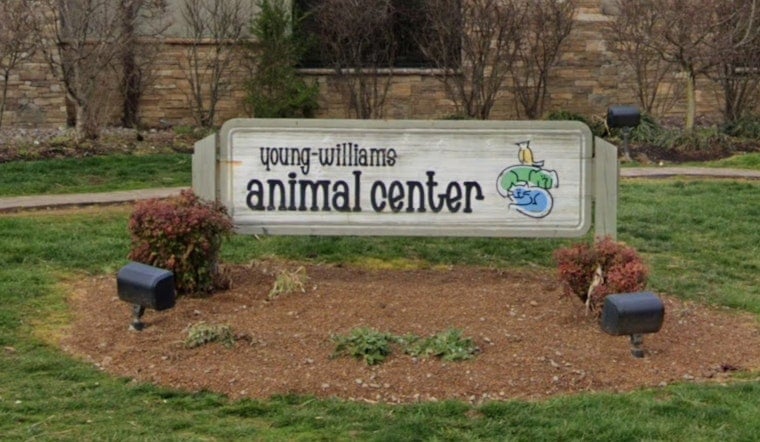
Spring has hit Knoxville hard this year, and not with pollen. Young‑Williams Animal Center says it is overflowing with kittens and is sounding the alarm for fosters, supplies, and donations as "kitten season" lands in full force.
Staff told WBIR they are currently caring for more than 300 kittens in foster homes, the largest number the shelter says it has ever handled, and that they are "swamped." The surge is stretching veterinary staff, volunteers, and supply shelves, all while more litters keep coming through the doors.
Young‑Williams points to the annual crush of "kitten season" as the reason for the spike. The Young‑Williams Animal Center information page explains that warmer months typically trigger a flood of litters and urges residents to consider short-term fostering to free up shelter space. The center says it provides training and supplies for neonatal care and keeps an updated list of urgently needed items on its website.
The shelter is also leaning on local fundraising to keep up. The Kylie Roberto Foster Fund is collecting donations specifically for kitten foster care. "In its first campaign, Kylie’s Foster Fund raised nearly $19,000, which is incredible. And since it was established, it has grown to about $35,000," marketing manager Sarah Kaplan told WVLT. Organizers say the money helps cover kitten formula, heat sources, and vet visits for fragile neonates.
How to help
For anyone willing to share their couch with a few tiny houseguests, Young‑Williams runs a foster program that supplies food, medical care, and training for caregivers, and it covers veterinary follow-up appointments. Potential fosters can sign up online through the program page at Young‑Williams Animal Center.
If fostering is not in the cards, the shelter maintains a wishlist that includes kitten food, milk replacer, warming disks, bottles, and towels. Donations and supply drop-offs are accepted at 3201 Division Street and at the Young‑Williams Animal Village at 6400 Kingston Pike.
Why shelters fill up
Kitten season is a nationwide pattern, not just a Knoxville quirk. Longer days and warmer temperatures typically mean more cats in heat and, a few weeks later, waves of newborns that require round‑the‑clock care. National animal-welfare guidance compiled by organizations such as Maddie's Fund highlights expanding foster networks and training as key strategies for getting through those seasonal surges.
Young‑Williams staff say every foster home and every donated can of kitten food matters, because each kitten placed in a temporary home opens up kennel space and gives the smallest animals a quieter, safer place to grow. If you come across litter outside, the shelter asks that you contact them first for advice. In many cases, they say the best option is to leave kittens with their mother unless the animals are clearly in danger.





