

























































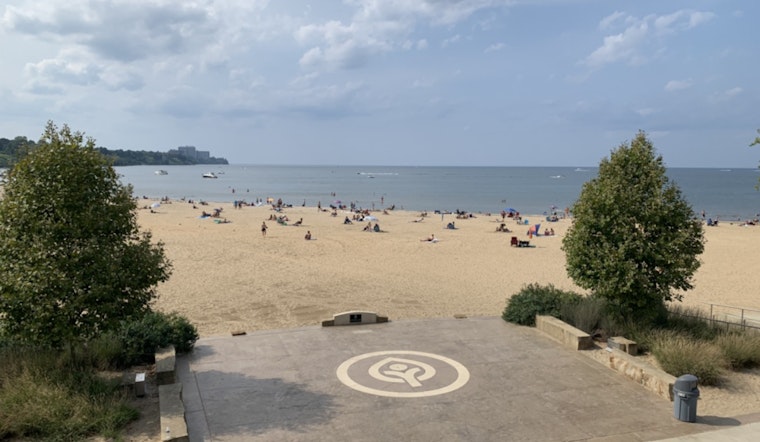
Sunday was not exactly a postcard day for Cleveland beach plans. Regional water monitors threw up a warning flag for two of Lake Erie’s most popular spots, Edgewater Beach and Villa Angela Beach, after models pointed to poor water quality. Officials said bacteria levels were likely above safety thresholds and urged people to skip full-body contact with the water while fresh testing is completed. Park staff said signs were going up on-site and that extra samples were being pulled as lab results come in.
Latest readings and predictions
The Northeast Ohio Regional Sewer District’s daily outlook tagged both beaches as “poor,” with predicted E. coli counts well above what is considered safe for swimming. Edgewater’s levels were projected at about 286 MPN/100 mL, compared with a beach threshold of 80, and Villa Angela’s at roughly 1,032 MPN/100 mL, against a threshold of 135, according to News 5 Cleveland. WKYC also reported the Sewer District’s Sunday advisory. City and park officials say posted warnings and follow-up testing will determine whether closures or extended advisories are needed.
How the Nowcast works
The Sewer District uses the Ohio Nowcast model to get out in front of potential problems, forecasting beach conditions before lab results are ready. As NEORSD explains, “These predictions account for recent weather patterns, rainfall, wind direction, and other factors that can affect bacteria levels.” According to the Northeast Ohio Regional Sewer District, the forecasts are posted each morning so beachgoers can get an early read on water quality. When the model flags a beach as poor, officials recommend staying out of the water for full-body contact until test results show levels are back within acceptable ranges.
What Cleveland Metroparks says
Cleveland Metroparks, which manages lifeguards and on-site signs, says it updates beach status boards based on toxin and bacteria test results. If a swimming area is closed because of water-quality concerns, Metroparks notes that it will stay closed for the rest of the day. Other safety issues, like dangerous waves or rip currents, can also keep a beach off limits. For the latest status and guarded hours, park officials direct visitors to the swimming-status page at Cleveland Metroparks.
Local history and context
Regulars know this is not the first time Edgewater and Villa Angela have had a rough reading. Both beaches have logged elevated bacteria counts in past seasons, leading to advisories and stepped-up monitoring. Previous coverage has highlighted recurring spikes during the warmer months and especially early in the season, when runoff and algae blooms are more common, Cleveland 19 reported. That track record is part of why early-season predictions and extra testing matter for anyone planning a day on the lake.
Where to check and what to do
Before you pack the cooler and towels, officials suggest checking the Northeast Ohio Regional Sewer District’s daily beach predictions along with Cleveland Metroparks’ swimming-status page for up-to-date advisories and posted signs. While a beach is flagged as poor, public health guidance is straightforward: avoid full-body contact with the water. For broader advice on recreational water, the EPA recommends steering clear of water that could contain high bacteria levels or algal toxins and notes that parents, people with weakened immune systems, and pets face higher risks from contaminated water. Local officials say those groups in particular should stay out until tests confirm that conditions have returned to safe levels.





