

























































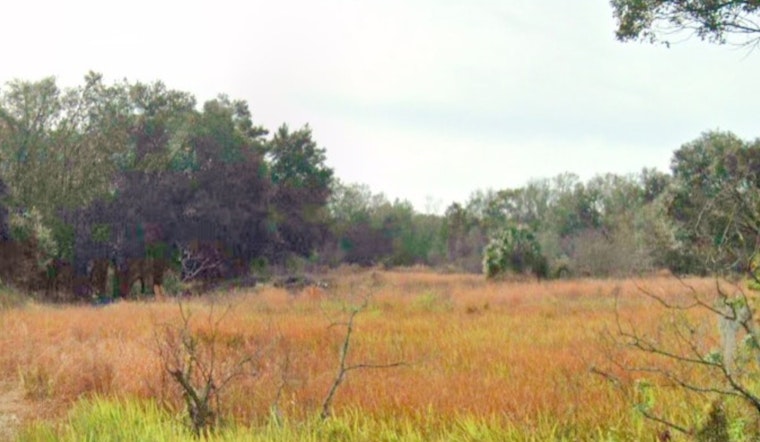
Project Swan, a proposed cluster of data centers, would bring roughly 600,000 square feet of buildings to Lakeland's west side near Old Tampa Highway and Wilkinson Road, according to planning sketches filed with the city. Officials are already stressing that the proposal is far smaller than the Fort Meade hyperscale project that has stirred a statewide debate over water and power. City staff are scheduled to hold an internal concept review next Wednesday as part of the standard review process.
What the concept plan shows
The early concept sketches lay out three separate data center buildings, broad mechanical yards for cooling equipment, stormwater ponds and space reserved for an electrical yard and substation. As reported by LkldNow, the filing covers roughly 60 acres and totals about 600,000 square feet of building space. Local reporting also notes that the plan calls for on-site infrastructure that will trigger detailed utility and permit review, per the Lakeland Gazette.
Who’s behind the application
Engineering firm Kimley-Horn submitted the concept review on behalf of Ryan Companies U.S. Inc., a national developer headquartered in Minneapolis. According to the Florida Department of State business ledger, the parcels tied to Project Swan are registered to Holmes Beach Family Tides LLC, which lists Blackbird Services Inc. as its registered agent. County property records show several of the parcels were acquired in 2023 and that part of the property lies in unincorporated Polk County, meaning annexation into the city would be required before a full site plan could move ahead, according to county records.
How it stacks up vs. Fort Meade
Even at about 600,000 square feet, Project Swan would represent only a fraction of the Fort Meade data center campus that city leaders approved earlier this spring. That development is reported at roughly 4.4 million square feet and has prompted intense public concern about electricity and water capacity, with developers there signaling roughly 450 permanent jobs once the project is fully operational, according to FOX 13. City Manager Shawn Sherrouse told The Ledger the Lakeland proposal is "nowhere near" the scale of the Fort Meade plan.
Water, power and permit questions
The Project Swan concept sketch does not yet spell out how much water the site would draw each day or how much electricity it would need, which means regulators and utilities will require detailed engineering estimates before any construction can be approved. National research and state-level tracking show that large hyperscale sites can use millions of gallons of water per day for evaporative cooling, while mid-sized facilities can still consume tens of millions of gallons annually, as summarized by the Lawrence Berkeley National Laboratory and statewide trackers. Those kinds of figures are central to any consumptive-use permit request and to decisions about whether the local grid will need costly upgrades.
What’s next for neighbors and officials
City staff have placed Project Swan on the Development Review Team agenda for a meeting next Wednesday, an early, nonpublic step that lets planners flag code issues, annexation needs and infrastructure requirements. If the applicant decides to push forward after that, the next milestones would include engineered site plans, formal utility studies and public hearings for any annexation or rezoning. Officials told local reporters they will review the proposal against applicable standards and update the public as the process moves along.
Legal and regulatory notes
State lawmakers and regional regulators have pressed this year for more transparency and tougher scrutiny of data center projects, and the water district has signaled a higher bar for large consumptive-use requests, a shift that has already shaped the Fort Meade review. That regulatory backdrop, combined with the fact that Lakeland’s land-use code does not explicitly list data centers, means developers may need zoning changes or special approvals before any data center construction could begin in the city, according to statewide reporting.



