

























































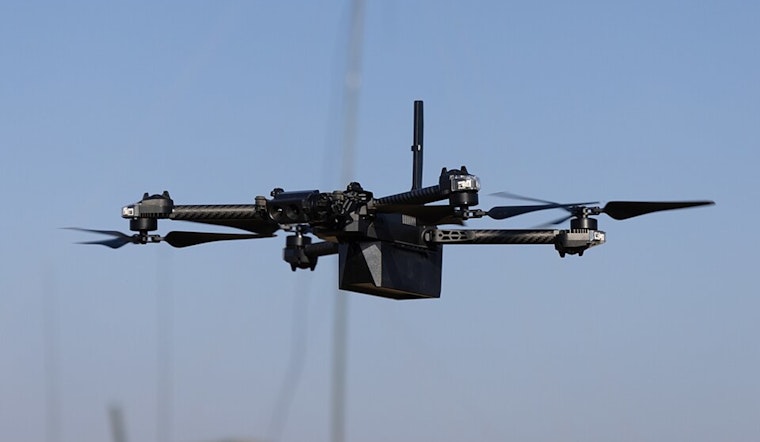
Leander is giving flying robots a shot at first response. For two weeks, the city is putting a pair of Skydio drones on call for 911 responses, a short-but-busy trial window running May 4–15 that could lead to a full Drone as First Responder program. City leaders say this dry run is about hard data, not hype, as they decide whether drones should become a permanent part of local emergency response.
Two-Week Trial Puts Drones On Real 911 Calls
As reported by CBS Austin, the city kicked things off with a live public demo, inviting media to watch a drone launch while representatives from the Leander Police Department and Leander Fire Department peppered operators with questions. The same two Skydio drones seen at that event are now being sent to real 911 calls during the May 4–15 window to see how they perform under actual pressure.
Officials are especially interested in response times and how useful live aerial video is when situations are unfolding on the ground. They pointed to a recent call in nearby Georgetown, where a drone pilot helped locate two children missing in the woods and guided rescuers to them, as the kind of outcome they hope to understand better during Leander’s trial.
How Drone As First Responder Is Supposed To Work
In a Drone as First Responder setup, drones sit in docks and can automatically launch after a 911 call so first responders get eyes on the scene before they arrive. Vendors say this can speed things up and reduce risk by giving officers and firefighters a live overhead view of what they are walking into.
Skydio describes its DFR systems as capable of launching in under 20 seconds, then autonomously flying to an incident in under 90 seconds while streaming live video back to responding crews and command centers. The company also touts its DFR Command software, which ties drone launches into existing dispatch workflows so the aerial response becomes part of the normal 911 playbook.
Local Context, Policy And Oversight
Leander’s experiment is playing out as departments across Texas and the rest of the country test-drive drone programs and rewrite their policies for aerial technology. The EFF notes that the Leander Police Department has already filed drone-related policy materials with the Texas Commission on Law Enforcement, and that nearby agencies are using drones to respond to emergency calls.
That patchwork of early programs has put a spotlight on transparency and clear rules, issues Leander officials say they are weighing as part of any move from short trial to permanent DFR program.
Transparency, Data And Public Trust
Vendors and public safety agencies alike have argued that drone programs only really work when communities understand how the technology is being used, what data is being kept, and who can see the footage. In a blog post, Skydio’s CEO calls transparency “foundational” to Drone as First Responder efforts and says the company’s systems are built to meet CJIS security requirements and support publishing flight logs if agencies decide to do so.
Those kinds of policy guardrails are among the factors Leander officials say they will be scrutinizing alongside performance data during the two-week trial.
What Happens After May 15
When the test window closes, city leaders will review the data collected from the May 4–15 drone deployments to decide whether a standing Drone as First Responder program makes sense for Leander. Officials have repeatedly framed the effort as an evidence-gathering step rather than a done deal.
As CBS Austin reported, the city is leaning on actual 911 calls instead of simulations to measure outcomes and safety. Residents who want updates on the trial or information about public meetings can check the City of Leander's website for notices and contact details.





.jpg)