

























































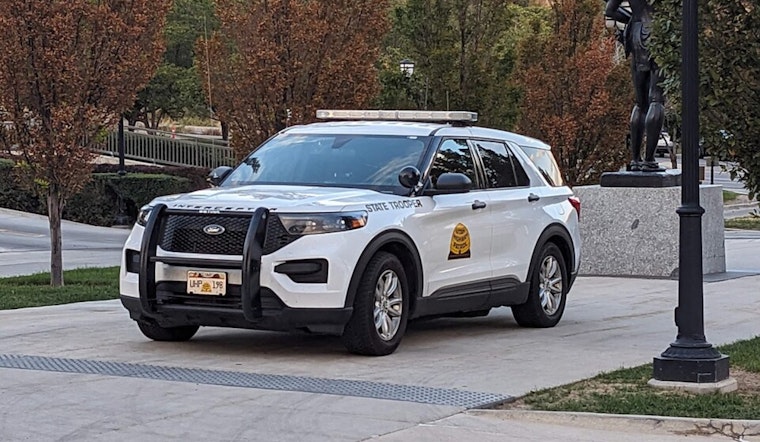
Utah troopers and highway safety officials are raising the stakes on a problem most drivers barely think about: unsecured cargo. Years of crash reports show that falling junk is not just a nuisance; it is fueling hundreds of wrecks across the state every year. Over a recent five-year stretch, Utah averaged roughly 742 crashes annually tied to unsecured loads, with several serious injuries and a handful of deaths in that span. Troopers say even something as small as a shovel or a board can turn lethal at interstate speeds, and they are begging drivers to spend a few extra minutes making sure everything is strapped down.
State data show the scale
According to the Utah Department of Public Safety, a five-year tally of unsecured load incidents works out to an average of about 741.8 crashes per year. In those crashes, the state recorded roughly 7.4 suspected serious-injury crashes and about 3.4 fatalities annually. The Highway Safety Office notes that the problem shows up consistently on both urban freeways and rural highways, which officials say underlines how common and how preventable these kinds of crashes are.
Troopers urge drivers to check every tie-down
Utah Highway Patrol Trooper Eddie Keough told FOX 13 News that troopers see the fallout up close. “Unsecured loads are a major hazard for us,” he said. His fix is not fancy: walk around your vehicle, tug on every strap, retie anything with slack, and add another tie-down if you are even slightly unsure. Keough and other troopers say that a few minutes of that kind of hands-on check can spare families years of regret.
A painful example in Ogden
Keough pointed to a crash in the Ogden area as one of the tragedies that still sticks with him. In that case, a large rotor broke free from a truck, shot into southbound traffic, and killed one person. He told FOX 13 News, “It was horrible to see.” Incidents like that, troopers say, are what drive their push for more public education along with stepped-up enforcement when they spot loose or uncovered loads on the road.
Cleanup costs and how often it happens
The day-to-day mess from unsecured loads is staggering on its own. The Utah Highway Patrol fields more than 70 road-debris calls a day, which totals over 25,000 a year, according to Utah Department of Public Safety figures. Local reporting also notes that the Utah Department of Transportation spends about 2.9 million dollars every year cleaning up roadside debris, a cost KUER reports as part of the broader price tag of unsecured loads, on top of the human toll.
How to secure a load
State transportation officials say the basics of load securement are simple and quick. The Utah Department of Transportation advises drivers to place heavier items low in the vehicle or trailer, use solid straps or nets instead of flimsy rope, cover the load with a tarp, and then do a slow walk-around before pulling out of the driveway. UDOT also links drivers and commercial carriers to federal cargo-securement rules and detailed industry guidance, while reminding them that speed and gravity will not keep a loose load in place once a vehicle starts to brake, swerve, or hit bumps.
Penalties and the law
State lawmakers have also raised the legal stakes. Effective May 7, 2025, Utah Code §72-7-409 requires any load on a vehicle to be confined, secured, and fastened. Violations can range from an infraction to class B or class A misdemeanors, depending on whether a spill causes an accident, serious injury, or death. The law sets minimum fines of 200 dollars for a first offense, with higher penalties for repeat violations or for commercial drivers. If a dropped load causes serious injury or death, the statute makes that spill punishable as a more serious misdemeanor.
What drivers should do now
Troopers are asking drivers to treat every run to the dump or big-box store like a safety check. They urge motorists to take a minute to double-check all straps, leave extra space when following trucks or trailers that are hauling anything that could come loose, and call 911 to report large objects in the roadway so crews can remove them safely, as local reporting notes via KSL. For anyone towing heavy equipment or hauling big loads, officers warn that one missed strap can mean a citation or something far worse if someone is hurt. Their bottom line is blunt and to the point: tie it down.




