

























































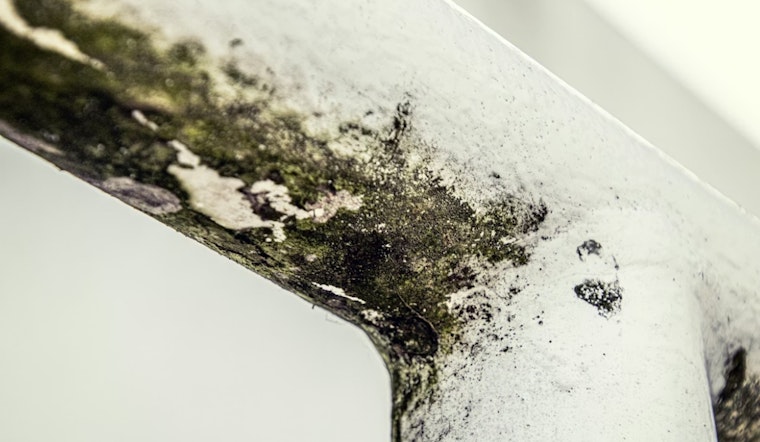
Waterlogged ceilings, black mold, and buckets catching bedroom rain are now part of daily life for tenants at a West Erie Avenue apartment building in Lorain. Residents say repeated leaks and water damage have left drywall crumbling, bathroom ceilings open to the rafters, and dark patches of mold spreading across walls. One tenant, Joseph Hambly, told reporters he collects inches of water in buckets in his bedroom and has kept his rent out of the landlord's hands. Neighbors describe months of quick fixes that dry out one storm only for the next downpour to send water right back in. The owner told reporters he filed for Chapter 7 bankruptcy in February, and tenants say a court-appointed trustee is now in control of the property.
Tenants describe constant leaks and spreading mold
Residents say that when it rains, it pours inside. They point to a battered roof and upstairs plumbing as obvious culprits. He described missing shingles on the building, leaks coming from the unit above his apartment and black mold growing along an interior wall. He said he has been putting his rent into a court escrow account in an effort to force meaningful repairs. Other tenants shared photos of a collapsed bathroom ceiling that was still dripping when inspectors were called to the scene, with water continuing to pour through exposed framing. These accounts were reported by Cleveland 19.
Bankruptcy filings complicate who can order work
Public court records list a Bobel-related entity that filed for Chapter 7 on Feb. 12, 2026, and identify a Chapter 7 trustee who is now handling certain affairs of the estate. The docket names Robert D. Barr as the trustee and labels the matter a no-asset case. Tenants say that setup has made it harder to figure out who can legally sign off on major repairs or spend money on the building. The bankruptcy documents are posted online through Inforuptcy.
Inspectors logged health concerns
Tenants say Lorain inspectors have been through the property and that the city’s board of health has documented issues inside several units. According to residents, those visits resulted in written notes from the health department that flagged interior problems, yet they say the underlying leaks and mold remain. People living in the building told reporters they are increasingly worried about what long-term exposure to mold and constant dampness could mean for their health. That reporting was detailed by Cleveland 19.
Ohio law and local rules give tenants a path
Under Ohio Revised Code §5321.07, tenants can pay rent to a court clerk instead of directly to a landlord when serious health and safety problems are not fixed. The clerk must hold that money in a separate rent escrow account while the dispute plays out. Lorain County’s tenant brochure spells out landlord duties in similar terms, noting that owners are responsible for keeping properties in line with local building, housing and health codes. Tenants and advocates often look to those laws and local materials when they consider rent escrow, repair-and-deduct or other legal remedies. For more detail, see the Ohio Revised Code and the county brochure from Lorain County.
Not an isolated problem across Lorain
Recent follow-up reporting has uncovered other Lorain apartment complexes where tenants say they waited months for repairs after heavy storms, only to keep living with water damage and mold. In that earlier coverage, residents described managers who repainted or patched surfaces while leaving deeper structural or moisture problems untouched. Some said they were left with damp flooring, peeling paint, and crumbling plaster long after the storms rolled through. Those broader patterns have only reinforced fears at the West Erie Avenue building that temporary patches will not solve what look like long-term problems. See prior reporting by News 5.
For now, tenants say they are stuck in a daily cycle of mopping up leaks, worrying about mold, and waiting for someone with authority to commit to lasting repairs. Residents told reporters they want a clear plan and a responsible party who will pay to make the building genuinely safe, not just good enough to get through the next inspection.




