

























































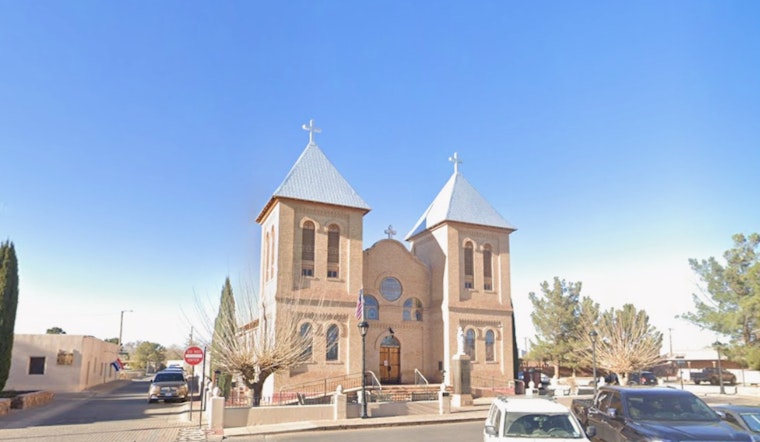
The Basilica of San Albino in Mesilla is at the center of an escalating church drama after its pastor was suspended last Friday, accused of being tied to a huge theft of diocesan financial records. Bishop Peter Baldacchino told parishioners the case involves more than 60,000 private documents taken last year and said the priest failed to report the breach. The move has deepened a months-long clash between diocesan leadership and a lay group calling itself Voice of the Laity.
According to a public letter from the Diocese of Las Cruces, Bishop Baldacchino notified parishioners that Father Chris Williams was being suspended as pastor of the basilica. The letter describes the allegations and outlines the scope of the missing files. As KVIA notes, the station obtained the bishop’s message, linked to the diocese’s public statement, and reported that when it reached out for further comment, it was referred to the diocese’s attorney.
National Catholic outlets have filled in more of the backstory. According to Crux, the bishop’s letter accuses the leader of Voice of the Laity of funneling the stolen files to Father Williams, and says the downloads were uncovered in the course of separate civil litigation. Crux reports that once the files surfaced, the diocese alerted civil authorities and opened an internal investigation.
Voice of the Laity, for its part, says this is not a caper story but a transparency battle gone sideways. In a May 8 post, Voice of the Laity argued that those who raised questions about diocesan finances did so out of concern rather than criminal intent. The group contends that Fr. Williams is being unfairly punished and says members assembled testimony meant for Vatican investigators as part of a push for accountability. The post urges prayer and patience while both church and civil authorities sort through the accusations.
Bishop’s Letter To Parishioners
“In September 2025, the Diocese became aware that over sixty thousand private diocesan records were stolen,” Bishop Baldacchino wrote, according to the Diocese of Las Cruces. The letter says testimony linked Williams and several basilica employees to the incident and warns that their actions left parishes facing a “significant risk of misappropriation and theft.”
The bishop also wrote that Fr. Williams “knew this but never stepped forward to report the theft to the diocese or civil authorities,” language the diocese frames as part of its ongoing internal review rather than a final judgment on guilt.
How The Records Allegedly Moved
Diocesan testimony, summarized by Crux, paints a more granular picture. According to that account, the files were downloaded at the home of the Voice of the Laity leader onto a portable drive, then later handed over to Father Williams. Crux reports that this trail emerged during civil litigation and triggered further scrutiny of diocesan finances and personnel. As of now, the details in the bishop’s letter and in that testimony have not resulted in publicly filed criminal charges.
Legal Outlook And Parish Response
A local station reports that the diocese informed law enforcement and that an internal investigation is still underway, and that Father Michael Williams, the pastor’s brother, has been assigned to oversee parish duties for the time being. Per KKOB, the diocesan Finance Council recommended the pastor’s removal. KVIA reports that diocesan officials have referred media questions to their attorney and have not provided further public comment. At this point, both civil and canonical processes appear to be unfolding, and additional court filings or official records would be needed to show whether prosecutors plan to pursue criminal charges.
For parishioners, the whole episode lands on top of long-simmering tensions over diocesan governance and the influence of the Neocatechumenal Way. Both sides say they are fighting for transparency. Diocesan leaders point to internal safeguards and formal investigations, while Voice of the Laity insists laypeople raised concerns in good faith. This story is still developing, and more clarity will depend on what courts, police, or the diocese place on the public record in the weeks ahead.





