

























































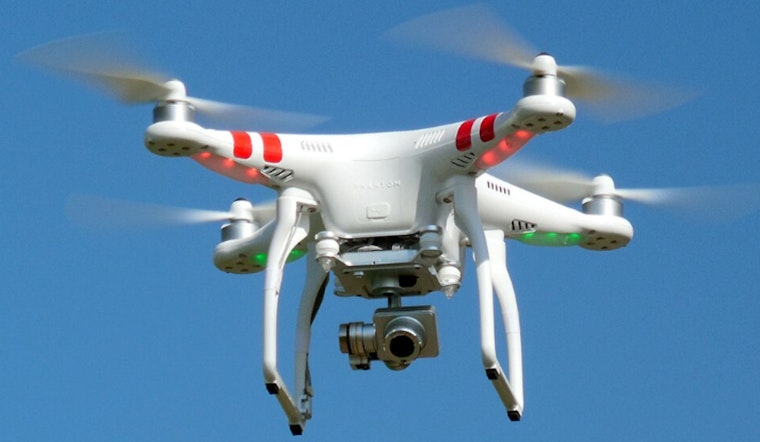
Minneapolis City Council committees are taking a hard look at putting drones to work in emergencies, backing a measure from Ward 4 Councilmember LaTrisha Vetaw that could add unmanned aircraft to the city's response playbook. The directive tells city staff to spell out potential uses, tally the costs and propose privacy and oversight rules before any drone program gets off the ground. The push comes as leaders weigh new technology alongside long running staffing and budget concerns inside the Office of Community Safety.
Committee Signs Off On A Directive
This week, a City Council committee signed off on Vetaw's legislative directive, ordering a deep dive into how drones might assist on specific types of 911 calls. "If we're really going to think of policing in the 21st century, we got to use technology," Vetaw said, according to KSTP. The committee's approval sends the issue to additional panels for more detailed debate before it can land on the full council's agenda.
Scope: Response Time, Evidence And Privacy
Under the directive, staff will sort through which situations, from missing person searches to crash reconstruction and fast moving vehicle crimes, could benefit from faster or safer responses if drones are dispatched. The resolution also calls for a review of data retention rules, transparency requirements and civil liberties protections, alongside any cost estimates, as reported by FOX 9. Officials told the committee that the Office of Community Safety had previously put some drone work on hold because of staffing and budget issues, but now supports taking another look.
Minnetonka's Program Offers A Nearby Model
Supporters are pointing across the metro to Minnetonka's Drones as First Responders program, a rooftop dock setup that beams live video to officers and other responders, as a real world example of how a system could function. When Minnetonka launched its DFR program, the city released implementation materials and a public announcement detailing vendor partnerships and rooftop docks, according to the City of Minnetonka. Local reporting has pegged Minnetonka's recurring costs in the low hundreds of thousands of dollars per year, with the Star Tribune estimating about $300,000 annually while officials say the technology could produce savings over time.
State Reporting And Rising Use
Under Minnesota law, agencies must report drone flights to the Bureau of Criminal Apprehension, and statewide numbers show drone deployments climbing sharply, which has fueled demands for public reporting and clear controls. Analyses of BCA data and legislative reports have found thousands of warrantless drone missions in recent years, a backdrop that helps explain why council members are zeroing in on oversight as much as capability, according to DroneLife. The city has also created a one page explainer on proposed MPD drone uses and opened a public comment channel that staff say will be folded into the upcoming review (City of Minneapolis).
What's Next
City staff now have marching orders to compile program options, cost projections and recommended safeguards, then bring that package back to council committees for another round of debate. Only after that could the full City Council vote on whether to launch a drone program. That slower timeline, paired with an explicit call for strong transparency rules, is meant to give Minneapolis room to study nearby pilots and write its own playbook before any drones actually take to the sky, as reported by FOX 9. Residents will have further chances to weigh in as staff draft detailed policy options.





.jpg)