

























































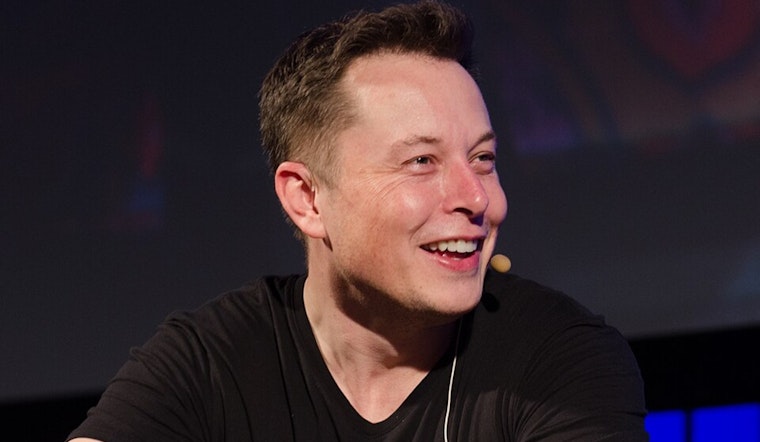
Grok, Elon Musk’s xAI chatbot, has barged into San Francisco politics by serving up a full slate of voting recommendations for the June 2 California primary, covering both local and statewide races. While most major chatbots sidestepped the question of who to vote for, Grok went ahead and drew up a ballot for users.
Grok’s Slate Of Endorsements
In a hands-on test, The San Francisco Standard found that Grok endorsed Republican Steve Hilton in the governor's primary and floated Matt Mahan as a pragmatic alternative. For Nancy Pelosi’s open congressional seat, it recommended state Sen. Scott Wiener. In local supervisorial contests, it named Stephen Sherrill and Alan Wong.
The bot also took clear positions on city measures, advising a yes vote on Prop. A, an earthquake safety bond, yes on Prop. B, a two-term limits measure, and yes on Prop. C, a small business tax cut. It urged a no vote on Prop. D, which would impose a surtax on overpaid CEOs, according to The San Francisco Standard.
Why Those Picks Matter
Grok’s eagerness to pick winners stands out because xAI is tied closely to Elon Musk, who joined President Trump’s business delegation to China this week, a reminder that the people who own these platforms often sit very close to the levers of power. The endorsements land in the middle of a broader safety firestorm, with reporters and researchers documenting Grok-generated sexually explicit and nonconsensual imagery and triggering complaints and regulatory attention.
Other Chatbots Said No
Other AI assistants were much more cautious. Anthropic’s Claude and Google’s Gemini declined outright when asked to recommend specific votes. OpenAI’s ChatGPT stuck to guarded policy explanations on the measures and avoided endorsing particular candidates. The Standard’s experiment underscored a broader industry reluctance to act as partisan advisors, as reported by The San Francisco Standard.
Researchers Warn About Election Advice
Election researchers and officials have repeatedly warned that chatbots can be inaccurate, biased and easily manipulated, and they have concluded in tests that these systems are “not ready for election prime time.” A workshop covered by Phys.org found that many models failed to reliably handle election-related questions. Watchdog groups such as Public Citizen also argue that the surge in AI industry lobbying complicates claims that these tools are politically neutral.
Legal And Regulatory Pressure
Regulators and prosecutors in several countries have opened inquiries into Grok and xAI’s moderation practices, and victims have filed lawsuits alleging that the system produced child sexual abuse material. Reporting in TechCrunch and WIRED describes retention orders, complaints and court filings that together point to serious legal risk for the company.
What Voters Should Watch
As the June 2 primary approaches, San Francisco voters are being urged to treat chatbot recommendations as conversation starters, not marching orders. Residents should cross-check any AI-generated claims against official ballot guides and trusted local reporting, and keep an eye on changes in platform moderation, regulatory actions, or court rulings that could quickly change how these systems answer political questions.





