

























































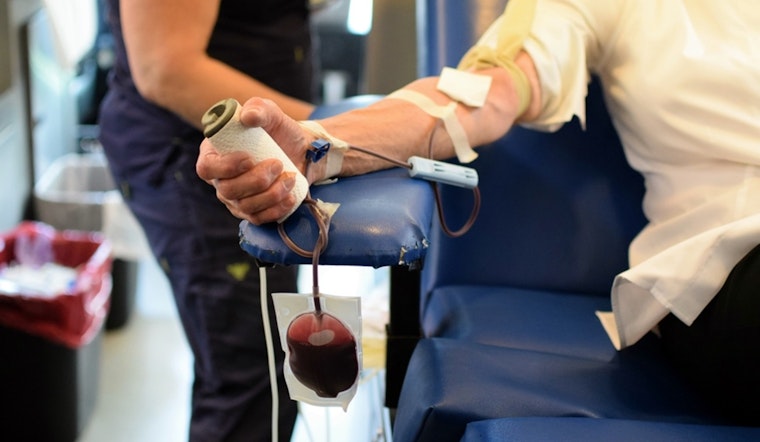
Blood shelves across southern Louisiana and Mississippi are running uncomfortably low after a sharp spike in usage over the past week, leaving hospitals hustling to keep up and officials pleading for donors. Trauma teams are triggering mass-trauma protocols more often, transplant surgeries are up, and together they are chewing through supplies of red blood cells and platelets at a brisk pace. Platelet stocks are especially fragile because they expire within days, so every fresh donation counts. In response, local blood centers are stretching their hours and rolling out extra community drives to refill the tanks.
Why health systems are pressed
As reported by WDSU, The Blood Center, a New Orleans based nonprofit that supplies more than 50 hospitals across south Louisiana and into southern Mississippi, is linking the crunch to daily mass-trauma protocol activations along with an unexpected bump in solid organ transplants. Those kinds of cases can burn through large volumes of blood in a matter of hours, officials warned. WDSU notes that hospitals in the region have been drawing heavily on red blood cells and platelets in particular over the last week.
What the blood center says
Per a statement from The Blood Center, the organization typically collects about 200 to 250 donations a day to cover routine needs. The recent surge in use has pushed those inventories to the edge, with the tightest squeeze on Type O, Type B and all Rh negative blood types. "Right now, we need our community to respond by donating blood and helping us rebuild and stabilize the supply," Billy Weales, the center’s president and CEO, said in the release. To catch up, the center is keeping donor sites open an extra hour through Friday and adding more community blood drives around the region.
Why platelets and Type O matter
Platelets come with a very short shelf life, usually approved for up to five days, which makes stockpiling them nearly impossible, according to the Centers for Disease Control and Prevention. The American Red Cross notes that Type O blood, especially O negative, is a workhorse in emergencies because it can be used when a patient’s blood type is not yet known. Put together, those limits mean that even a short dip in local collections can quickly force hospitals to adjust treatment plans.
How to help
The Blood Center is urging residents in southern Louisiana and Mississippi to book donation appointments, give platelets when they are eligible, or help organize blood drives so inventories can rebound fast. Donors able to give platelets through apheresis are in particular demand, since a single donation can support multiple patients and is used often for cancer and transplant care. For schedules and locations, visit The Blood Center or contact your local hospital for guidance on the most urgent needs.





.JPG)