

























































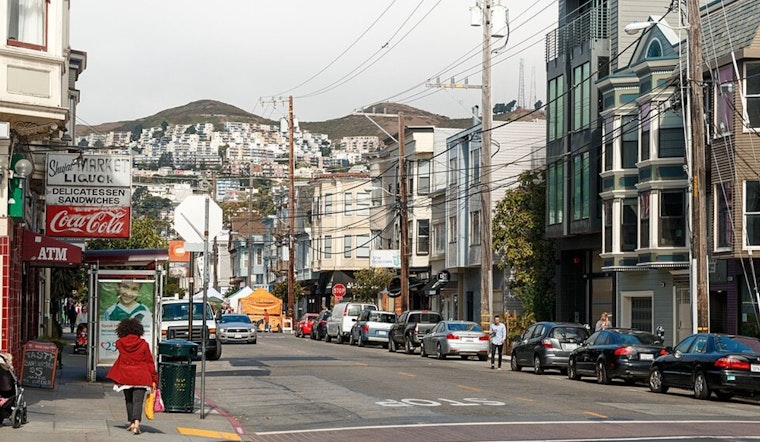
Noe Valley has quietly gone from a blue-collar stronghold to one of San Francisco’s priciest corners, where modest Victorians and skinny storefronts now draw multimillion-dollar offers. You see it most clearly on weekends: sidewalks jammed, stroller traffic at near-gridlock and a retail mix that looks nothing like it did twenty years ago. A late-spring sale in the neighborhood drove the point home about just how far values have climbed.
As reported by The San Francisco Standard, the neighborhood’s transformation dates back decades, from the Loma Prieta earthquake to grassroots efforts that created new parks, merchant groups, and a small-town reputation that appealed to commuters and families. The feature spotlights longtime residents and shopkeepers who say those civic projects turned Noe Valley into the kind of place buyers are willing to pay a hefty premium to join.
Multimillion-Dollar Sales Are the Norm Now
Public records show that a restored Victorian at 4048 23rd Street closed at $4,789,423 on May 15, according to Redfin. Listing agent Lamisse Droubi told The San Francisco Standard, “The trajectory has just been up ever since then,” a tidy summary of how yesterday’s relative bargains became today’s windfalls.
Rebuilds Push the Comps Higher
Rebuilt properties have reset price expectations across the neighborhood. MLS records compiled on Jeff Marples’ neighborhood page show a Jersey Street rebuild listed this spring at roughly $7.6 million, while public records show similar Jersey properties selling for about $4.95 million in 2020, a handful of mega sales that pushed nearby comparables sharply higher. Those jumps are turning even traditionally modest Noe homes into trophy assets and redefining what a so-called starter house looks like here.
Community Work Helped Build the Village
The shift did not happen by accident. The Noe Valley Community Benefit District, created in 2005, has funded sidewalk cleaning, planters, parklet programming and the Town Square that now hosts a busy farmers market, according to the district’s reports. Years of steady, volunteer-led and contracted work helped shape the walkable, family-focused streetscape that current buyers prize.
Slow Sanchez and Small Shops Keep It Human
The San Francisco Municipal Transportation Agency’s Slow Streets evaluation notes that Sanchez Street, Noe’s pandemic-era slow-street corridor, now sees more than 1,000 pedestrians on a typical weekend, a sign that residents would rather linger in the neighborhood than drive across town for every errand. At the same time, independent storefronts from Trad Bone Broth to long-running Haystack Pizza still anchor 24th Street and give the commercial strip its village feel, according to reporting in The Noe Valley Voice.
What It Means for Noe Valley
For now, the neighborhood still looks and feels like the place that drew the latest wave of buyers, with sunlight, schools, slow streets and small shops all intact. Those same perks, however, are what make it harder for the next generation to afford a foothold. Residents, merchants and city officials are left juggling a familiar tradeoff: how to protect the village-scale amenities that made Noe Valley so desirable while confronting rising prices and evolving housing needs.





