

























































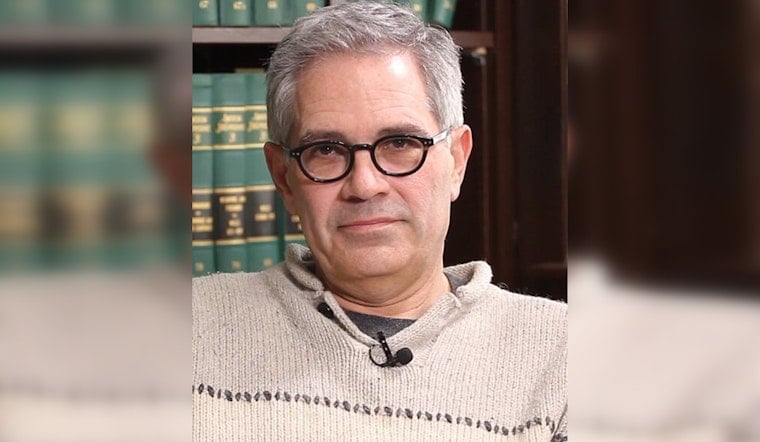
Three men who spent decades behind bars for the 1997 killing of an elderly woman in her North Philadelphia home have now been cleared, Philadelphia District Attorney Larry Krasner announced Tuesday. A fresh look at the long-cold case flagged serious problems with the assistant medical examiner’s testimony about the victim’s time of death, and Krasner said those flaws undercut the original guilty verdicts.
According to NBC10 Philadelphia, Krasner said the review identified "significant issues" with how the assistant medical examiner testified about when the woman died, issues that "undermined the integrity of these convictions." NBC10 aired video of the announcement and reported that the exonerations came after a Conviction Integrity Unit review of the case files and original forensic evidence.
Who reviewed the case
The new scrutiny came from the District Attorney’s Office Conviction Integrity Unit, the division tasked with digging into questionable older convictions and pushing for corrections when warranted. The Philadelphia District Attorney's Office notes that the CIU has grown since 2018 and that its work has led to dozens of reversals and other forms of relief in past cases.
Why time-of-death testimony can break a case
Estimates of the postmortem interval, essentially how long a person has been dead, often sit at the heart of a criminal case because they can either place a suspect at the scene or help rule them out. But forensic researchers have long warned that these estimates are technically tricky and can be imprecise, especially beyond the first 48 to 72 hours, and that common indicators like body temperature and rigor mortis come with wide margins of error. A review in MDPI summarizes how classic techniques are limited and stresses that newer methods also need careful, science-backed validation.
What happens next
Krasner announced the exonerations publicly, but as of the time of reporting the District Attorney’s Office online news log did not list a formal press release on the case, and related court documents were not yet available. The Philadelphia District Attorney's Office news and press release page carried its usual stream of updates but showed nothing matching the NBC10 report as of Tuesday morning.
How this fits in Philadelphia's trend
Philadelphia has become a high-profile hub for reexamining older convictions, many of which have been overturned because of problems with forensics or prosecutorial conduct. Recent years have brought dozens of exonerations, and reviewers say renewed scrutiny of forensic testimony is often the trigger for those turnarounds. Data from the National Registry of Exonerations, along with local reporting, points to the Conviction Integrity Unit as a key driver of that work.





.jpg)