

























































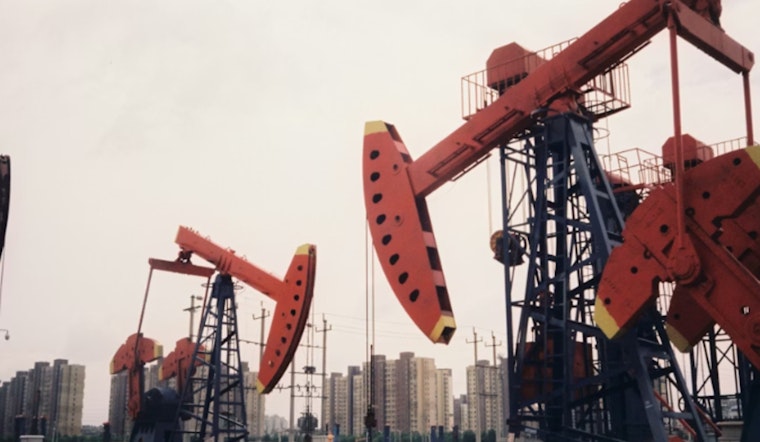
Hawaii’s near-term economic skies are looking cloudier as surging global oil prices and March’s severe Kona Low storms push up travel costs, strain household budgets and knock some wind out of the visitor industry. The University of Hawaiʻi Economic Research Organization (UHERO) still sees modest job gains and solid construction work ahead, but warns that inflation and higher fuel bills are eating into income gains for many residents.
University officials have circulated an embargoed press copy of UHERO’s second-quarter forecast and say researchers will brief reporters virtually on May 14, with public comment embargoed until May 15. The summary cites the Iran war-related oil shock and the March storm damage as the twin drivers of a “worsened noticeably” near-term outlook, according to University of Hawaiʻi News.
Fuel Shock Threatens Visitor Momentum
UHERO reports that jet fuel costs have roughly doubled, a painful jump that has already pushed some transpacific airfares sharply higher and led airlines to trim capacity. That pullback is expected to cool inbound tourism rather than fuel the rebound many in the industry were hoping for.
As detailed in UHERO, total visitor arrivals are now projected to rise about 2% in 2026, then slow to roughly 0.2% growth in 2027. Major global carriers have already announced fare hikes and seat reductions in response to the fuel squeeze, according to Al Jazeera.
Jobs Stall While Construction Carries the Load
On the jobs front, UHERO notes that statewide payroll growth was essentially flat through February. Federal employment alone has fallen by more than 3,000 positions over the past year, leaving overall payrolls little changed even as the broader economy tries to move forward.
Construction, though, is doing a lot of the heavy lifting. Job growth in the sector is running above 2% on Oʻahu and near 6% in parts of Maui County. The long-range New Aloha Stadium Entertainment District, a roughly $4 billion redevelopment, is expected to keep builders busy for years, according to Hawaii Business Magazine.
Housing, Insurance And The Household Squeeze
UHERO flags Hawaii’s housing market as another pressure point. The median single-family home price has hovered near $1 million for months, even as resales slow and condominium prices slide. At the same time, insurance premiums that were already higher in the wake of the Maui wildfires could climb again after the March storms.
Those affordability strains land on households just as global energy risks keep fuel and airfare elevated. The International Energy Agency has warned that Europe could face tight jet fuel supplies within weeks, a scenario the agency has outlined in comments reported by the Associated Press. Tight supplies abroad do not exactly help Hawaii’s fuel situation.
UHERO emphasizes that a full-blown statewide recession still appears unlikely. But researchers say the combined hit from higher oil prices, storm damage and slow labor-force growth means state leaders, businesses and families should brace for tougher conditions through the summer. UHERO plans to present the full forecast and take media questions at the May 14 briefing, and the complete report is set to be posted on the group’s website once the embargo lifts on May 15.





