

























































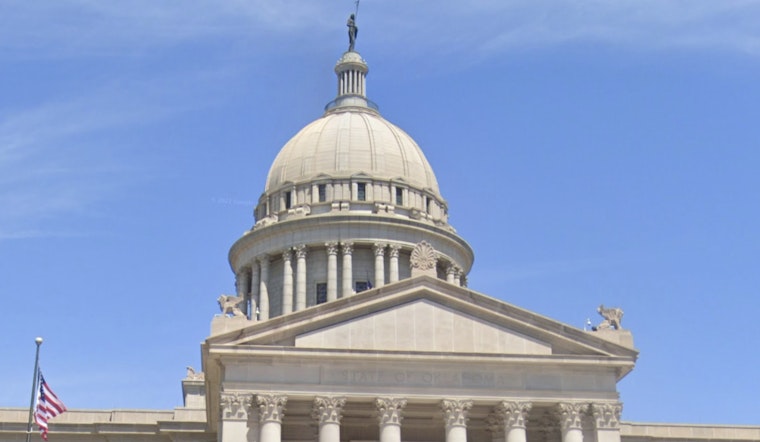
Oklahoma lawmakers are moving to put a tight lid on how thirsty new data centers tap into rural groundwater, backing a bill that would push big computing campuses toward lower‑consumption cooling systems if they want to rely on wells.
This spring, legislators advanced Senate Bill 259, a measure that would overhaul how commercial groundwater use is metered, reported and permitted across western Oklahoma. Representative Nick Archer of Elk City pressed for data‑center language and backed an amendment designed to steer large facilities away from high‑evaporation cooling and toward technologies that sip water instead of gulping it. The Legislature passed SB 259 and sent it to the governor last Thursday.
Archer told colleagues he would not let the bill move without specific protections for ranchers and farmers who depend on shallow aquifers. The House responded by inserting language that targets cooling systems which evaporate large volumes of water. As reported by KOSU, the amendment blocks traditional open‑air evaporative cooling at facilities that primarily rely on groundwater and instead nudges projects toward recirculating technologies.
What SB 259 Would Require
The committee substitute for SB 259 tightens the screws on tracking and accountability. Permit holders would have to file annual usage reports with the Oklahoma Water Resources Board, which in turn must phase in well‑flow meters statewide over an eight‑year schedule and modernize its data systems. The measure authorizes five‑year averaging and allows five‑year allocations of a basin's maximum annual yield beginning August 1, 2026. It also grants the Board explicit authority to audit reports and levy progressive fines when it finds waste.
On the cooling front, the bill draws a bright line for data‑processing facilities that want groundwater permits. Applicants would need to show they are using closed‑loop, dielectric immersion or other comparably low‑consumptive cooling technologies that substantially recirculate water, according to the committee substitute posted on the Oklahoma Legislature website (Oklahoma Legislature).
“Groundwater is one of our most valuable resources in Western Oklahoma,” Archer said during legislative debate, as reported by KECO 96.5FM. He framed the amendment as a shield for farmers, ranchers and small towns that lean on shallow aquifers, not as a sign that Oklahoma is turning its back on investment.
Why Lawmakers Say It’s Needed
Lawmakers were not operating in a vacuum. National reporting in recent years has spotlighted how rapidly data‑center buildouts can strain local utilities. One high‑profile example involved a large campus in Georgia that pulled roughly 29 to 30 million gallons of water through unaccounted connections before the issue was uncovered. Coverage of that episode, including reporting by Ars Technica, helped fuel calls for tighter oversight.
Public radio outlets have also chronicled a wave of legislation and studies in multiple states examining how data centers affect power and water systems, including activity at the Oklahoma Capitol tracked by KGOU.
Supporters of SB 259 repeatedly stressed that the proposal is not meant as an anti‑tech moratorium. Instead, they pitched it as a preventive move to keep farms and towns from finding their wells drawn down, according to KECO 96.5FM. Their stated goals are straightforward: better measurement, clearer data and technology choices that keep consumptive losses as low as possible.
Legal And Enforcement Notes
SB 259 would explicitly expand the Oklahoma Water Resources Board's enforcement toolkit. The committee substitute spells out new authority for the Board to audit usage reports, investigate complaints and issue progressive fines or suspend and revoke permits when it finds wasteful practices. The Legislature's official record shows the bill cleared both chambers, was enrolled and sent to the governor last Thursday. If it is signed, the Board must write rules and a phase‑in plan by August 1, 2026, according to documents from the Oklahoma Legislature.
With the measure now sitting on the governor's desk, western Oklahoma communities and utilities are eyeing the next step: how those rules are drafted and enforced while drought continues to pressure wells. Local energy coverage has noted that the real‑world impact will depend heavily on how the OWRB interprets terms such as “comparably low‑consumptive” technologies and how aggressively it rolls out metering and enforcement once the rules are finalized, as discussed by OK Energy Today.





