

























































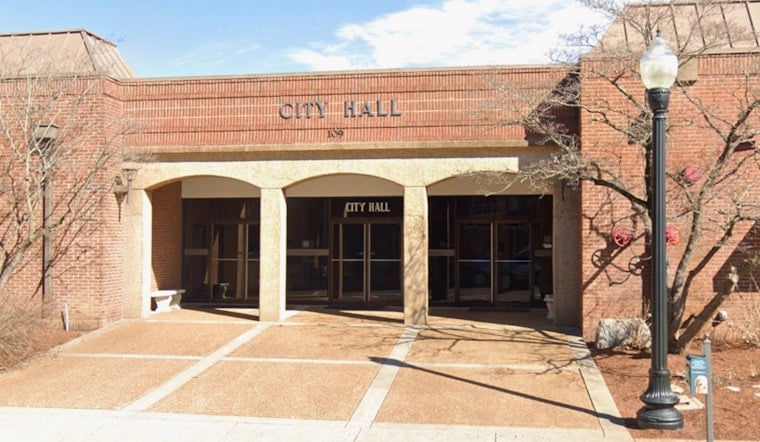
Franklin officials are weighing a proposal that could significantly reshape a slice of Old Carters Creek Pike, with a 66-bed transitional housing campus pitched for roughly three acres of city-owned land. The plan pairs an 11,000-square-foot community building with a cluster of small homes, aiming to get people back into stable housing in a matter of months rather than years.
As reported by WKRN, the concept calls for a 66-bed facility on about three acres the city already owns along Old Carters Creek Pike. The campus would include eight 600-square-foot one- and two-bedroom small homes alongside the larger transitional building. Organizers told aldermen the program would focus on people already living in Williamson County, prioritize short stays of about 120 days, and offer options that are both family- and pet-friendly.
Backers say funding would likely come from a mix of grants, donations, and other sources, not from one single pot of money. They also cautioned that even if the city gives the green light, it would be a long game: they estimate four to six years before anyone moves in.
Where the site sits
According to City of Franklin planning materials, the parcel lies along Old Carters Creek Pike, outside the city’s denser downtown neighborhoods. Public planning maps show the property in the city’s GIS and capital projects documents, clearly marked as city-owned and identified as a candidate for redevelopment.
Planners told aldermen they still have homework to do before this idea can move beyond the concept stage. That includes reviewing utility capacity, environmental constraints, and access to the site, all of which will help determine what the land can realistically support.
What organizers say
Project organizers emphasized to the board that this is meant to be transitional housing, not permanent placement. The 120-day stay comes with expectations: residents would work with case managers, get help with employment, and access other support services tailored to getting them into long-term housing.
The proposal, which organizers say is designed to prioritize people already in the community, also leans heavily on being pet-friendly and accommodating for families, reflecting what service providers say they see most often in the field.
As reported by WKRN, the Williamson County Health Department and the local Habitat for Humanity chapter are among the organizations that have expressed support for the concept. After the presentation, the board did not take a final vote on construction but did ask the city administrator to dig deeper into the proposal and report back.
Local housing context
Housing advocates note this project would not stand alone. As outlined by the Franklin Housing Authority, the city and county are already backing other affordable housing efforts, including Franklin Flats, a 212-unit development that began construction in 2024.
Meanwhile, nonprofit partners are testing out smaller-scale ideas. Coverage of “The Hill,” a nonprofit-led push to turn another city parcel into a neighborhood of affordable homes, highlights one such experiment; for more background, see NewsChannel5. Together, these efforts sketch out an emerging ecosystem of public, nonprofit, and philanthropic players who are trying multiple approaches to close the local housing gap.
For now, the transitional campus remains an idea on paper. The board’s request for more information means staff will return with options that spell out costs, possible funding scenarios, and the regulatory steps required. If the proposal advances, it will still face public hearings, detailed site work, and the usual permitting gauntlet before any building permits are issued, a timeline city staff say could stretch over several years.
Neighbors and nonprofit partners can expect more chances to weigh in as officials sort through the details, from services offered on-site to traffic, utilities, and broader neighborhood impacts.





