

























































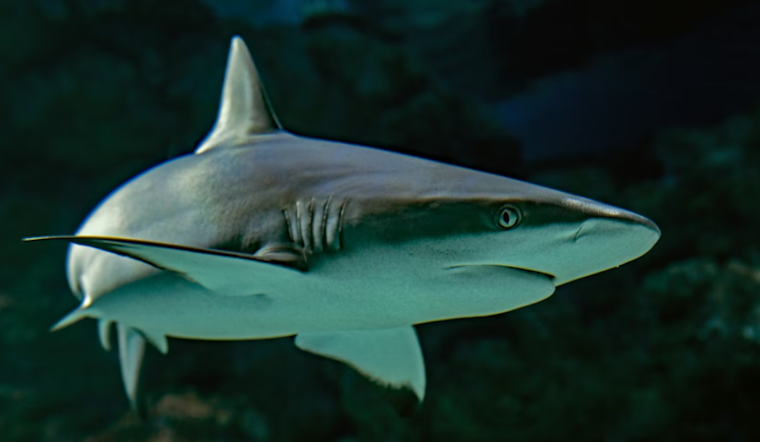
On Tuesday, a FOX 35 Orlando video spotlighted a cross-disciplinary push to turn sharks into mobile ocean sensors that could sharpen Atlantic hurricane forecasts. The plan is simple in concept and wild in execution: researchers are strapping compact instruments onto shark fins so the animals collect temperature and depth readings as they cruise through the open ocean, filling in data gaps that often matter when storms are spinning up.
Local shark biologists say those roaming predators may be exactly what forecasters need. The sharks naturally cut through remote stretches of the Atlantic that traditional instruments often miss. Backers of the effort argue that tapping into those daily swim routes could plug key observational holes right where hurricanes gather strength.
The technique, known as mounting conductivity-temperature-depth (CTD) tags on pelagic sharks such as shortfin makos and blue sharks, was developed by a team at the University of Delaware and has already produced its first usable profiles, according to The Washington Post. Project leaders say those subsurface profiles can be fed into hurricane models to tighten both intensity and track forecasts.
How The High-Tech Shark Tags Work
The CTD tags record temperature, salinity, and depth as each shark dives. When the dorsal fin breaks the surface, the device attempts to transmit that data. Early deployments did not always keep the antenna high enough above the water, which led engineers to tweak the mounts so transmissions are more reliable, as detailed by MARACOOS.
One of the first shortfin mako deployments delivered a complete CTD profile that researchers could use. The team plans additional taggings this season to build up a dataset large enough for routine forecasting work.
Florida Scientists Put Sharks In The Spotlight
Dr. Toby Daly-Engel, director of Florida Tech’s Shark Conservation Lab, told FOX 35 Orlando that Sharks can move in and out of areas where the weather might be different, arguing that their natural movements make them useful, low-cost ocean observers.
Florida Tech confirms on its lab page that Daly-Engel leads local shark research and that her team focuses on shark movement and conservation, according to Florida Tech. In other words, the same behaviors that make sharks fascinating study subjects could now help feed better data into hurricane models.
Why What Happens Below The Surface Counts
Satellites can only see the ocean’s skin. The real fuel for hurricanes often lurks below, where subsurface heat can mean the difference between a weakening storm and an explosive one. That is where CTD profiles become crucial. They show how warm water is stacked through the depth of the ocean along a storm’s path.
Project partners say shark-collected data will be integrated into regional systems like OceansMap and eventually folded into global observing networks to give forecasters better inputs for modeling, according to MARACOOS.
Early Limits And Ethical Red Flags
Researchers caution that the approach is still in the experimental stage. Tags sometimes fail, transmissions depend heavily on how often a shark surfaces, and the mounts must be customized to different fin shapes, according to project coverage. There is also the question of which sharks to target.
Conservationists warn that some of the candidate species, including shortfin makos, are already under population pressure. Earlier studies have also shown that large sharks can respond unpredictably to major storms. For more on those platform considerations and potential impacts, see the ICES Journal.
With hurricane season about to open, the research team plans to scale up deployments and refine tag programming so shark-collected data can move efficiently into operational models. For coastal residents, the practical takeaway is a twist on a familiar story: the same ocean predators that patrol local waters could soon be doing some of the quiet, behind-the-scenes work that helps predict what the next big storm will do.





