

























































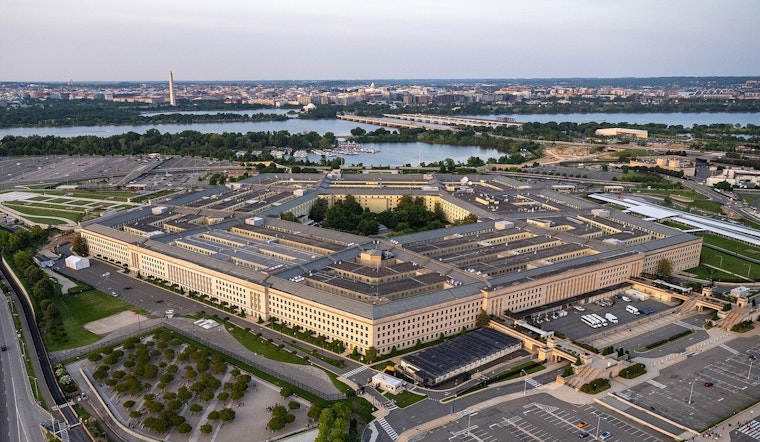
The U.S. Department of Defense has quietly put the brakes on dozens of Texas wind projects, leaving 54 developments stuck in permitting limbo and developers scrambling to hold onto financing and construction timelines. Many of those projects face a July 4 start-construction deadline to qualify for expiring federal tax credits, and consultants warn that months-long reviews could push turbine and equipment orders off schedule. The pause is already rippling into local budgets, contractor calendars and supply chains across West and South Texas.
According to The Texas Tribune, data compiled by the American Clean Power Association shows 54 Texas onshore wind projects are awaiting Department of Defense review, even though federal law requires the department to complete those reviews within 60 days of a Federal Aviation Administration referral. That backlog appears to be part of a broader pause first reported by the Financial Times, which identified roughly 165 onshore developments stalled by Pentagon sign-offs. Developers say the mix of long waits and canceled meetings has thrown late-stage projects into financial uncertainty.
What The Pentagon Is Saying
Defense Department officials tell reporters that the DoD’s siting clearinghouse is "actively evaluating" proposals to ensure turbines do not impair military readiness or radar, and that those reviews require interagency coordination. AP News reports that industry groups say the department stopped sending projects back to the Federal Aviation Administration and canceled meetings with developers this April. With construction windows closing and tax-credit timelines looming, consultants warn that those delays are translating into higher costs and financing risk for projects in late development stages.
Where The Delays Hit Texas Hard
Texas leads the nation in installed wind capacity, and many proposed projects sit inside or near military training airspace, according to San Antonio Report. That reporting cites a 2019 Texas A&M Natural Resources Institute study that identified 17 military bases with flight facilities in the state and training routes tied to Laughlin AFB, Naval Air Station Corpus Christi, Randolph AFB and Dyess AFB. County officials and developers in West Texas say stalled sign-offs threaten local tax-base projections and planned construction this summer.
Big Federal Money And A New Precedent
Washington’s intervention on wind is not limited to DoD reviews. In March the Department of the Interior reached settlement agreements that reimbursed TotalEnergies roughly $928 million to relinquish two offshore leases. The Interior later negotiated similar agreements with two other offshore developers that together brought roughly $900 million from the federal government, reporting showed. Critics say the buyouts, plus the DoD’s pause on onshore approvals, create a policy line that steers private capital away from renewables and toward gas and LNG projects.
Developers Warn Of Costly Knock On Effects
"Right now, the entire process has just ground to a halt," a wind consultant told San Antonio Report, summing up the mood in the industry. Consultants say delays add cost at every turn, from contractor schedules and turbine deliveries to the financing covenants that require federal sign-offs. Developers and county leaders are pressing the DoD and the FAA for clearer timelines so projects that have cleared local and environmental reviews can move forward before tax incentives and supply windows close.
For now, landowners, counties and construction crews are stuck waiting while the Pentagon conducts its reassessment, and the outcome will determine whether Texas continues to expand wind capacity or sees projects pushed into indefinite delay. Lawmakers and industry trade groups are watching closely, and the coming weeks may determine whether financing and permits recover or projects are reworked for other energy investments.



