

























































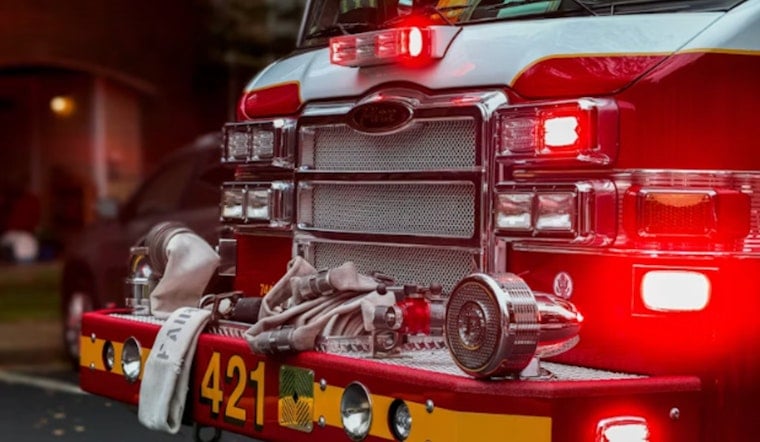
Phoenix is in a full sprint to shave minutes off fire and ambulance response times after city data showed crews are rolling up well behind national benchmarks. The fire department has launched accelerated recruit academies, a major hiring push and a plan to bring several new stations online as the valley keeps growing. City officials caution that training, equipment deliveries and station buildouts take months before anything changes on the street. In the busiest neighborhoods, union leaders say residents already feel the gap on days when multiple calls stack up.
City Report Flags Lagging Response Times
The City of Phoenix's staffing and response time report shows the 90th-percentile arrival time for the first unit to critical EMS incidents was 7 minutes, 15 seconds, compared with a benchmark the report lists at 5 minutes. The document stresses these are 90th-percentile figures, meaning the time within which crews arrive on scene 90% of the time, not simple averages, and uses that metric to map coverage shortfalls across council districts. That assessment is laid out in the city's report, published by the City of Phoenix.
What City Officials Say They Are Doing
The same report says the department is authorized for 2,059 sworn positions and had 1,938 filled roles as of late January, with a 63-person recruit class that graduated May 15, 2026, as part of an accelerated training cycle meant to match staffing to new stations. “This milestone reflects the department’s continued commitment to building its workforce,” the document states. City leaders also told Arizona's Family that online testing and more frequent academies are designed to shorten the time from applicant to on-the-street firefighter.
Union: Crews Still Stretched Thin
Union officials say the backlog of calls and high per-unit workloads keep crews overtaxed, a concern that has persisted even as new hires come through. “It’s tearing our firefighters apart,” United Phoenix Firefighters President Bryan Willingham told ABC15, warning that some stations are handling two or three times the call volume they were built for. Chiefs and union leaders both point to staffing and station gaps that the city says it is addressing in stages.
New Stations, New Money, Slow Fix
Phoenix is already building and outfitting new stations to reduce drive times. Station 15 is under construction and is expected to add a second engine and ambulance when it opens in 2026, according to a City of Phoenix press release. Funding to add apparatus and sworn firefighters was folded into recent budget moves and a transaction-privilege-tax plan approved by council, as outlined in the city's notice from the City of Phoenix.
City leaders and the union caution that measurable, citywide improvement will take time. Recruits must complete a 14-week academy, apparatus have to be delivered and crews shifted into new stations before drive-time metrics move. The department says it will continue reporting 90th-percentile response times and updating the public through council briefings and subcommittee reports as new classes and stations come online. For now, Phoenix’s push is a long-term effort to line up emergency resources with a rapidly growing city’s expectations.





