

























































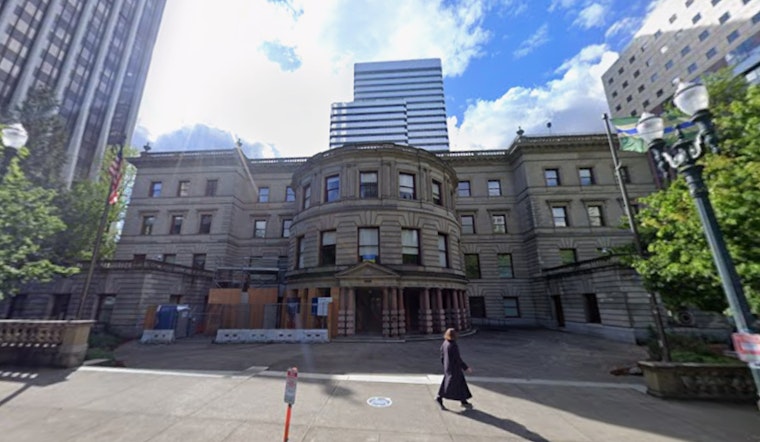
Portland is not just behind on filling potholes. It now sits near the top of a national list of big cities that have put off basic upkeep, with a new accounting analysis estimating about 19 billion dollars in deferred infrastructure work. That comes out to roughly 31,000 dollars for every resident and ranks the city second-worst among large municipalities, behind San Jose. The study's authors say the problem is widespread, with an estimated 1.03 trillion dollars in deferred maintenance across nearly 2,000 U.S. cities.
According to a report by Merritt Research Services, the Infrastructure & Capital Assets Commitment Burden study calculates an "ICA Burden" by applying inflation-adjusted depreciation to audited municipal financial statements in order to approximate replacement obligations for roads, buildings, utilities and other public assets. The paper, authored by Richard A. Ciccarone and published May 5, 2026, argues that depreciation-based metrics can reveal fiscal risks that municipal balance sheets often hide in plain sight.
Portland City Council President Jamie Dunphy told KATU the city had already identified roughly 4 billion dollars of backlog on its own, and that catching up under current revenue limits will be difficult. He also pointed to past organizational silos in City Hall that left one bureau repaving streets only to have another bureau dig them up again a few months later.
How Big Is Portland’s Gap?
The Merritt report lists Portland's ICA Burden at about 19.8 billion dollars, or 31,157 dollars per resident, and records an ICA Burden equal to roughly 11.4 percent of the city's estimated full property-value base, according to Merritt Research Services. Those figures are meant to show how much worn public capital is still in service without being replenished, a situation the authors say can push up future costs and erode public safety if governments delay too long.
Funding And Policy Tradeoffs
Councilor Dunphy has argued the city's revenue tools are limited. Oregon has no general sales tax and property-tax rules that cap growth, which leaves officials looking at options such as municipal bonds, targeted levies or federal grants to tackle the backlog. The challenge echoes national findings. The Volcker Alliance's October 2025 review of deferred maintenance practices warned of about 1 trillion dollars in accumulated needs and called for better disclosure and long-term planning, according to Volcker Alliance.
What’s Next For Portland
Dunphy told KATU the city expects an infrastructure maintenance plan to land at the council in September. That plan is expected to prioritize mission-critical work such as bridges and high-risk sewer lines. Until then, city leaders will be deciding which projects to fund now, which to push back and how hard to lean on new local revenue or federal help to keep Portland's aging infrastructure from slipping further behind.





