

























































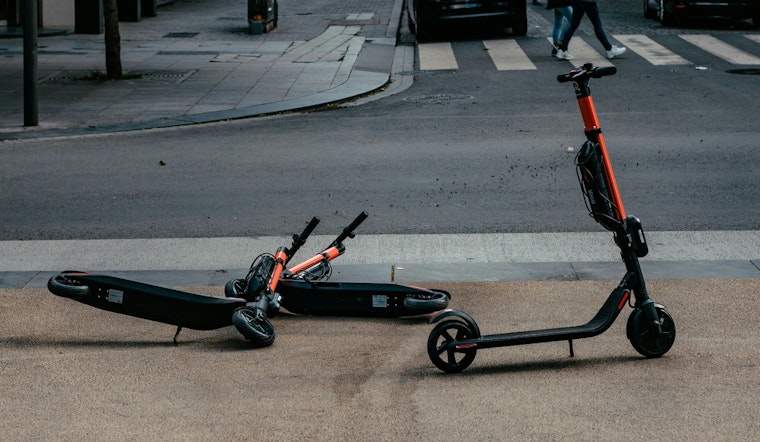
Electric scooters have gone from quirky novelty to everyday transportation in Portland, and the region's hospitals are feeling it. State health data show emergency-room visits tied to e-scooters have more than doubled in just a few years as shared fleets expand and private owners join the mix. The spike in hospital visits comes alongside a run of headline-grabbing crashes that, according to city officials and emergency clinicians, underscore how unforgiving busy streets can be for unprotected riders. Public-health and transportation leaders are pushing basic safety steps as the micromobility surge rolls on.
In a recent news release, the Oregon Health Authority reported that hospitals and emergency departments logged 211 e-scooter injury visits in 2021 and 509 by Sept. 30, 2025. A review of death records linked 17 fatalities to motorized-scooter use from 2018 through 2025. According to Oregon Health Authority, 12 of those deaths involved collisions with motor vehicles, and preliminary 2025 data make up a sizeable share of the fatalities. The agency warns that these injuries often involve head trauma and broken bones and urges riders to use helmets, lights and basic traffic-law common sense.
State Counts By Year
According to KTVZ, summarizing an Oregon Health Authority analysis, annual e-scooter injury visits climbed steadily: 211 in 2021, 269 in 2022, 326 in 2023, 418 in 2024 and 509 in just the first nine months of 2025. Those totals rely on recently introduced e-scooter diagnosis codes in hospital records, which officials say make 2021 onward the most reliable window for spotting trends.
Why Many Crashes Are Not Collisions
While fatalities are often tied to crashes with cars and trucks, the bulk of emergency visits tell a different story. Clinical studies and systematic reviews consistently find that most e-scooter injuries come from single-vehicle mishaps - riders losing balance, catching a wheel on a curb or sliding on debris or ice. A recent systematic review and several hospital case series reported that a very large share of hurt riders were involved in falls or loss-of-control incidents rather than multi-vehicle collisions. The PubMed Central review details patterns seen in emergency departments.
Portland’s Picture: Lots Of Rides, Rising Hospital Reports
Locally, the Portland Bureau of Transportation reports that e-scooter trips hit roughly 1.65 million starts in 2025, as the city's permanent program entered its first full year with two operators and a fleet capped at 3,500 scooters. That surge in rides has arrived alongside local reports of more scooter patients turning up in emergency departments and several fatal crashes covered by city newsrooms. Per Portland Bureau of Transportation data and coverage from outlets such as KPTV, city staff are trying to walk a line between convenient micromobility access and tighter safety and contract rules for the companies that operate the fleets.
What Officials Say Riders Should Do
The Oregon Health Authority's guidance to riders sticks to some simple themes: wear a properly fitted helmet, ride sober, follow traffic laws and posted speed limits, use lights after dark and skip riding in places where scooters are not allowed. “These injuries are not minor scrapes,” the agency's injury epidemiologist said in the state release, noting that many patients need emergency or inpatient care. OHA also urges single-rider use, with no passengers sharing a deck, and tells riders to stay sharp for potholes, uneven pavement and busy intersections.
National Context
National numbers look familiar. The U.S. Consumer Product Safety Commission has found that motor-vehicle collisions account for many e-scooter deaths, while control problems and falls show up again and again in nonfatal emergency visits and special studies. The CPSC report breaks down hazard patterns and injury locations that echo what Oregon clinicians and officials are describing, and researchers there note that helmet use remains relatively low among injured riders.
The Oregon Health Authority says it will keep tracking e-scooter injuries and working with partners on safer riding, while PBOT tests geofences, slow zones and outreach campaigns as part of its 2025 micromobility program. Riders, neighbors and policymakers will be watching to see whether those engineering tweaks and education pushes can slow the run of serious injuries logged in recent years.





