

























































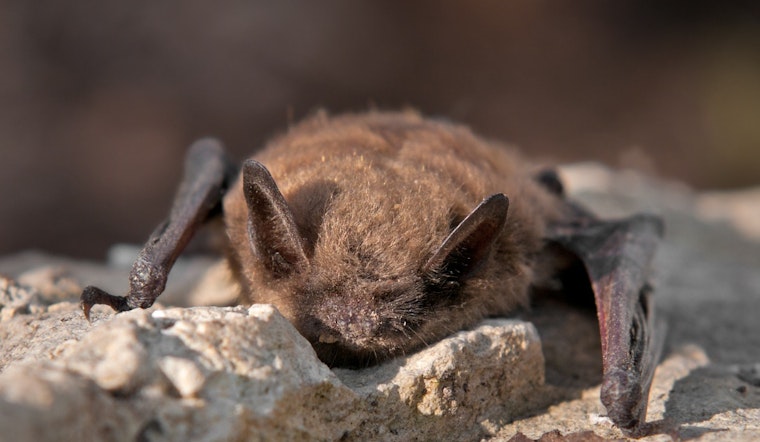
A bat trapped in open space by the Adriel Hills neighborhood in northeast Fort Collins has tested positive for rabies, according to Larimer County officials. Animal control officers safely contained the animal, which was later confirmed rabid through state testing, and the county reports there are no known human exposures tied to this case. The positive test is Larimer County’s first confirmed rabid animal of 2026.
In a May 19 press release, the Larimer County Department of Health and Environment said the bat was captured by NOCO Humane Animal Protection & Control in open space near Adriel Hills and then sent to the state public health lab for testing, per Larimer County. The county reiterated that this is the first confirmed rabid animal in Larimer County this year and that there are no known human exposures in this incident. "Rabies can be found in wildlife throughout Larimer County," environmental health director Bob McDonald said in the release.
State Counts And Where Rabies Is Showing Up
State data show that Colorado has logged seven rabid wild animals so far this year, including two bats and five skunks, and eight pets have been exposed, according to the Colorado Department of Public Health and Environment. CDPHE publishes county-level tables and maps that track which species have tested positive and where those cases are occurring.
How Risky Are Bats?
Only a small fraction of wild bats carry rabies, with fewer than 1% infected, but bats that behave oddly or come into contact with people are much more likely to be sick, the National Park Service cautions. Local officials also point out that bats can roost in attics or slip into homes through tiny openings, so residents are urged to bat-proof buildings and to avoid handling bats with bare hands.
What To Do If You Or Your Pet Were Exposed
If you find a bat inside your home or suspect that a person or pet has had any contact with a bat, do not touch the animal. Instead, contact NOCO Humane Animal Protection & Control at 970-226-3647 ext. 7 or Larimer County’s health hotline at 970-498-6666, as advised by the county. Anyone who may have been exposed should seek medical care right away, since post-exposure prophylaxis is highly effective when given before symptoms develop, according to the CDC.



