

























































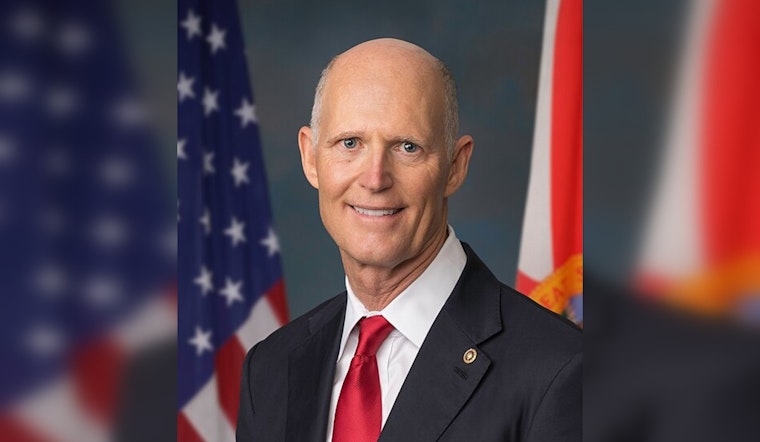
Florida Sen. Rick Scott has teamed up with New York Rep. Elise Stefanik and New Jersey Rep. Josh Gottheimer on a bipartisan push that would put U.S. colleges to a stark choice: keep the federal research money flowing or keep certain foreign government ties. The package, featuring the Defending American Research Act and the No Branch Campuses in Hostile Countries Act, zeroes in on foreign funding tied to sensitive fields such as artificial intelligence, biotechnology and quantum information science. Under the proposals, schools that take money from named adversary countries for that kind of research could be hit with multiyear bans on federal R&D awards along with new certification requirements. The move lands as Washington has already been tightening transparency rules around foreign gifts and overseas academic programs.
What the Bills Would Do
As reported by the Tampa Free Press, the package would require any college applying for federal R&D awards to certify that it does not operate branch campuses in listed hostile countries. If a school accepts money from those foreign sources to conduct work in sensitive areas such as artificial intelligence, biotechnology and quantum information science, it could face a five year ban on federal research funding. If the bills become law, federal agencies would have two years to roll out the new certification and reporting mandates.
Lawmakers' Rationale
Backers are selling the bills as national security tools designed to shield taxpayer funded research and curb foreign influence on campus. Representative Elise Stefanik has framed the No Branch Campuses measure as one piece of a larger higher education reform agenda, while supporters argue the package would block adversaries from using academic partnerships to tap into sensitive research, according to Fox News.
Section 117 And The Federal Backdrop
The Capitol Hill push builds on a broader federal campaign to drag foreign funding into the daylight. This year the U.S. Department of Education rolled out a new and improved Section 117 reporting portal along with an interagency effort to track foreign gifts and contracts. In its announcement, the U.S. Department of Education said the portal is meant to boost transparency and help enforce existing disclosure requirements.
Legal And Institutional Impacts
Legal experts say that if Congress passes these bills, universities can expect higher compliance costs and a sharper enforcement edge, including the risk of audits, grant suspensions and other civil fallout when disclosures come up short. Analysts at Jenner & Block note that institutions should be bracing for regulatory shifts and more intense scrutiny of foreign relationships that underpin research programs.
Next Steps And Local Stakes
The measures are in the introductory phase and still need to clear committee and win floor votes before they can become law. After that, federal agencies would get a two year window to set up the new certification rules, according to the Tampa Free Press. Representative Josh Gottheimer has cast the effort as a way to safeguard taxpayer investments and protect U.S. innovation, arguing that institutions taking money "tied to hostile nations" should not also be cashing federal checks. For universities with overseas campuses or hefty foreign donations, the message is clear enough: the status quo around research funding and compliance is about to get a lot less comfortable.



.jpg)