

























































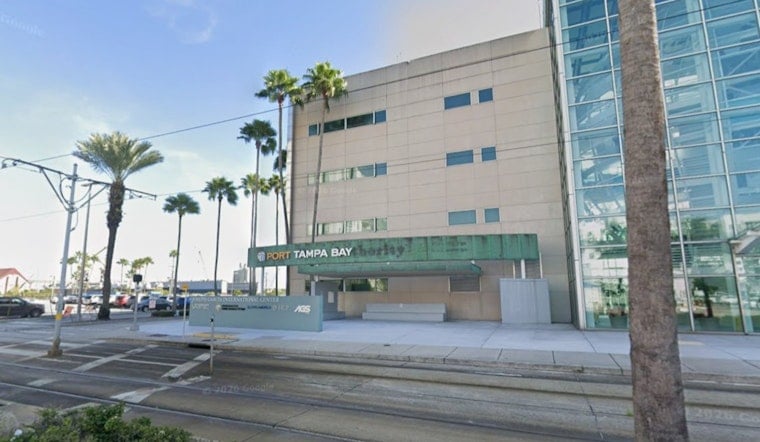
Tampa’s construction boom just got a big new pipeline of rock. Port Tampa Bay and Cemex on Thursday cut the ribbon on a newly expanded aggregate terminal that officials say will speed millions of tons of construction material into the region. The $36 million project centers on a high-capacity ship-to-storage conveyor that can move roughly 5,000 tons an hour and is expected to handle about 1.5 million tons a year, according to port and company leaders. Mayor Jane Castor joined Port Tampa Bay leaders and Cemex executives as the terminal officially began operations.
Terminal details and funding
The upgrade was financed through a $29 million investment from Cemex and a $7 million grant from the Florida Department of Transportation, according to Business Wire. The terminal will import aggregates, the crushed stone and gravel used in concrete and asphalt, from sources including Newfoundland, Canada, and uses a conveying system sized to move about 5,000 tons per hour.
Cemex says the site will combine an aggregate terminal, a cement terminal and a ready-mix plant in one location. Company officials say that setup is designed to shorten turnaround times and lower costs for regional construction projects that are already straining to keep up with demand.
What officials said
“The completion of our Aggregate Terminal at Port Tampa Bay strengthens Cemex’s ability to serve one of Florida’s fastest-growing regions,” Cemex US President Jesus Gonzalez said, according to Business Wire. He framed the project as a way to keep a steady stream of rock, sand and gravel flowing as growth continues across the bay area.
Tampa Mayor Jane Castor and Port Tampa Bay CEO Paul Anderson pointed to the terminal’s role in supplying materials for roads, schools and housing as the city expands. Their message in brief: if Tampa is going to keep building, it needs a lot of aggregate, and it needs it to show up on time.
Local impact for builders
Port leaders say the new capacity should make supply chains for concrete and asphalt more reliable and predictable, which in turn can help keep construction schedules on track and soften price swings for both public and private projects. The port’s bulk cargo listings show Cemex already operates at Port Sutton, and the expanded footprint is expected to feed projects across Hillsborough and neighboring counties, according to Port Tampa Bay.
Industry analysts note that adding direct ocean deliveries of aggregates into the mix typically reduces truck traffic and can lower costs for getting materials inland. Translation: fewer logistical headaches for builders trying to lock in rock, cement and ready-mix on tight timelines.
Why this matters now
The opening lands as Port Tampa Bay continues work to harden and expand its facilities, from federal dredging grants to new crane purchases, as Tampa prepares for steady population and construction growth. Local reporting has tracked the channel-deepening push and early federal funding for the work; one recent report highlighted a $10 million infusion that officials say will support future deepening plans.
Local TV crews documented scenes from the ribbon cutting and the new terminal’s equipment, which appeared in a video segment on the opening. WTSP covered the celebration and brief interviews with port and Cemex officials. Company and port spokespeople said the terminal is now fully operational and will begin feeding local construction demand immediately.





