

























































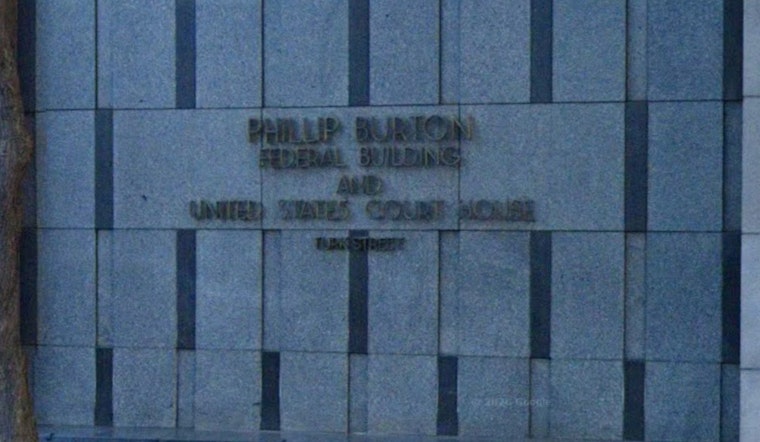
KCRA’s new documentary "Selling Citizenship," which aired Wednesday, May 20, revisits a Northern California fraud that marketed what sounded like a shortcut to U.S. citizenship and instead drained the savings of hundreds of immigrant families. The film tracks Helaman Hansen and his Americans Helping America program from those early community pitches through federal indictments, appeals and a U.S. Supreme Court ruling. It then brings viewers forward to Hansen’s resentencing and a later health-based court motion, leaving victims still wrestling with what restitution will look like in real life.
How the pitch worked
According to prosecutors, Hansen’s Americans Helping America (AHA) sold memberships in a so-called "Migration Program" that told clients adult adoption would open the door to U.S. citizenship. A press release from the U.S. Attorney’s Office states that roughly 500 people bought into the program, which collected more than $1 million in fees that started at about $150 and climbed to as much as $10,000 per person. Federal agents eventually seized files and computers from AHA, and investigators later relied on those materials in building the criminal case.
Conviction, appeal and the Supreme Court
Court records show Hansen was convicted in 2017 on multiple mail and wire fraud counts and initially received a 240 month prison sentence. Two additional counts, which charged that he "encouraged or induced" people to reside unlawfully in the United States, set off a long legal fight that ultimately landed at the U.S. Supreme Court. In June 2023, the Court held that the statute must be read narrowly and bars only "the intentional solicitation or facilitation of certain unlawful acts." On remand, the Ninth Circuit concluded that the trial jury had been given faulty instructions on those encouragement counts and sent parts of the case back to the district court for further proceedings.
Resentencing and recent filings
After the appeals wound their way through the courts, a judge re-sentenced Hansen in August 2024 to a lengthy term of home confinement and ordered restitution to victims, as reported by KCRA. The documentary walks viewers through that hearing, showing how the judge reacted to Hansen’s statements in court before imposing the home-confinement sentence. The program also reports that in December 2025 Hansen asked the court to wipe out his sentence on the basis of poor health, a request the court has denied for now. The film lays those late filings out so audiences can see how the judge approached them.
What this means for immigrant communities
Adult adoption is not a backdoor to U.S. citizenship. U.S. immigration policy treats adoption-based citizenship primarily as a benefit for children, and it generally requires that the adoption and related conditions be satisfied before the adoptee turns 18, according to USCIS guidance. Community advocates and prosecutors told investigators that schemes like AHA’s feed on anxiety and misinformation, which is why the California Attorney General maintains consumer alerts and a vetted list of legal resources so people can check credentials before handing over money. The U.S. Attorney’s Office and investigators also stress that in this case, not a single participant obtained citizenship through the program.
Legal implications
The Hansen saga now sits at the crossroads of fraud enforcement and free speech questions in immigration law. The Supreme Court’s 2023 decision narrowed the reach of 8 U.S.C. §1324(a)(1)(A)(iv) by requiring proof of intentional solicitation or facilitation, and the Ninth Circuit’s remand underscores how jury instructions and mens rea standards can make or break prosecutions under that statute. For victims, defense lawyers and prosecutors alike, the case is a reminder that statutory wording, what the jury is told and the timing of appeals can sharply reshape the final outcome of sprawling fraud cases.
Viewers who want the full story can turn to KCRA’s documentary, which stitches together interviews, court documents and years of local reporting to show how the scheme started, how it unraveled and what its aftermath now looks like in Northern California.





