

























































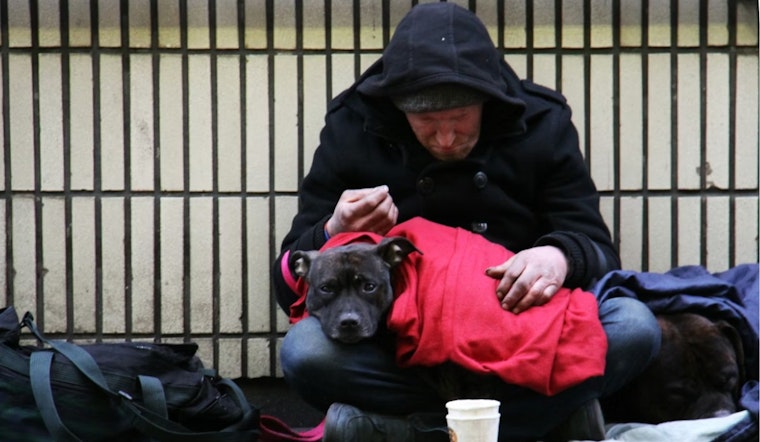
Salt Lake City's streets just got a new kind of first responder. First Step House has launched a mobile mental health outreach team that will fan out across the city to find and help people living outside with serious mental illnesses. The crew will go directly to the spots where people sleep, offering crisis assessments, medication management, peer support, and connections to shelter or longer-term housing. Organizers say the effort is designed for people who avoid clinics and traditional shelters and will slowly ramp up over the coming months.
How the team will work
The new mobile unit is staffed with a nurse, a therapist, a psychiatrist, and a peer support specialist and will meet people where they sleep to provide assessments, medications, and referrals to housing and treatment, as reported by FOX13. "The first thing that a person receives is a message that they matter and that somebody cares enough to come see them," Jared Ferguson, First Step House's director of mental health services, said. The organization expects the mobile unit to eventually serve about 100 people as it grows into full operation.
City rules at the center of debate
At the same time, Salt Lake City is considering changes to its camping rules that would broaden where people are not allowed to sleep in public. Some officials argue the move is meant to keep parks and sidewalks safe and accessible. Advocates counter that stricter enforcement could push people farther from help and make outreach more difficult, and the council has put off a final decision to allow more discussion, according to Deseret News. Outreach workers say that if enforcement ramps up, it needs to be paired with services like the new mobile team to avoid making the situation worse.
From sleeping in a car to outreach work
For Switchpoint site manager Lanny Outcalt, the stakes are personal. He once slept in his car and deliberately hid in out-of-the-way spots, and now helps run an overflow shelter. He says direct, consistent contact was what turned things around for him. His experience, along with state initiatives like Project BRIDGE and recent legislative investments, shows why leaders are trying to move beyond simply adding shelter beds and instead focus on coordinated outreach and treatment, per KSL. Staff say building trust usually takes repeated visits and time, something a mobile team is built to provide.
Where the effort fits in
First Step House describes its broader work as integrated recovery and housing services, and its website frames housing as a core part of healthcare. The mobile team is pitched as an extension of that strategy, bringing clinical care and peer support straight to the places where people sleep so they can be quickly linked to treatment, shelter, and longer-term housing options, according to First Step House.
Officials and outreach providers agree that the real test will be whether field teams can actually move people into care without stepped-up enforcement pushing them out of reach. For now, the new unit adds one more tool to local efforts to treat serious mental illness among people living outside, while the city continues to wrestle with how to balance safety, public access, and basic compassion.





