

























































San Diego’s shoreline is gearing up for a holiday crush, and lifeguards are sounding a very clear warning: treat the ocean with respect or risk spending Memorial Day weekend in a rescue boat. With heavy crowds expected, crews say rip currents can spin up quickly as swells, tides and onshore winds shift, turning what looks like a quick, harmless dip into a fast-moving emergency. To get ready, the city has already added patrols and rescue craft at the busiest beaches ahead of the long weekend.
As reported by CBS 8, lifeguards are urging beachgoers to talk with the crew before heading into the surf, follow posted flags and skip solo swims. The station noted that patrols will be stepped up along the entire coastline and that extra watercraft will be standing by for rapid responses. Lifeguards are reminding visitors that even strong swimmers can tire out quickly if they get caught in a rip current.
According to the San Diego Fire‑Rescue Department’s Lifeguard Services report, the San Diego Fire‑Rescue Department oversees 128 full‑time lifeguards, about 250 seasonal staffers, and 11 rescue boats, and logged more than 422,000 preventative acts in 2025. Those figures highlight the size of the city’s beach operation and its focus on stopping trouble before it starts. Lifeguard coverage runs from the tip of Point Loma up through Torrey Pines and is backed up by a 24‑hour dispatch center.
Why Rip Currents Are So Dangerous
Rip currents are narrow, fast-moving channels of water that flow away from shore and can reach speeds faster than most people can swim, according to the National Weather Service. The agency notes that rip currents account for the majority of ocean rescues and that they can form even when the water surface looks relatively calm.
How To Stay Safe
City lifeguards say the basics still matter most: swim only at lifeguarded beaches, ask the crew about current conditions and obey any warning flags. If you end up caught in a rip current, do not try to muscle straight back to shore. Instead, float, conserve your energy and swim parallel to the beach until you are out of the pull, then signal for help, per San Diego Lifeguard Services.
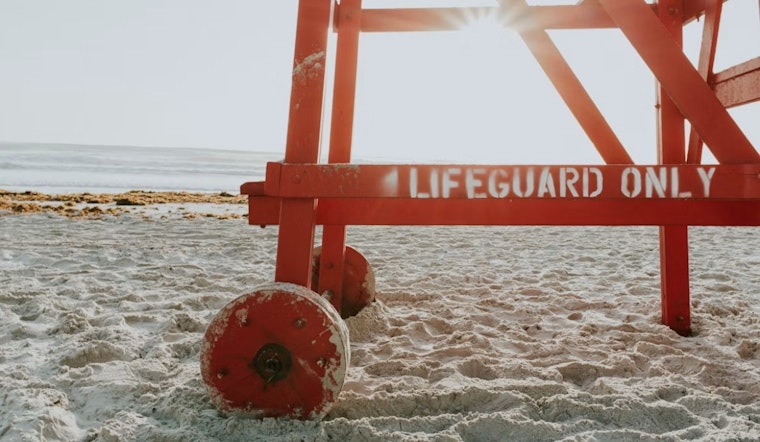
A key local upgrade is arriving just in time for the season. The city erected a temporary Mission Beach lifeguard tower after declaring the old station unsafe, and Times of San Diego reported that the facility was expected to be ready by Memorial Day. Officials say the move keeps a critical, high-traffic watch post staffed while a long-term replacement is in the works.
Before heading to the sand, check the National Weather Service surf and rip-current outlooks and pay attention to lifeguard flags at the beach, since forecasts and daily surf zone conditions can change quickly. When in doubt, experts advise swimming near a lifeguard and keeping children within arm’s reach, noting that staying close to trained help is the simplest way to keep a beach day from turning dangerous.



