

























































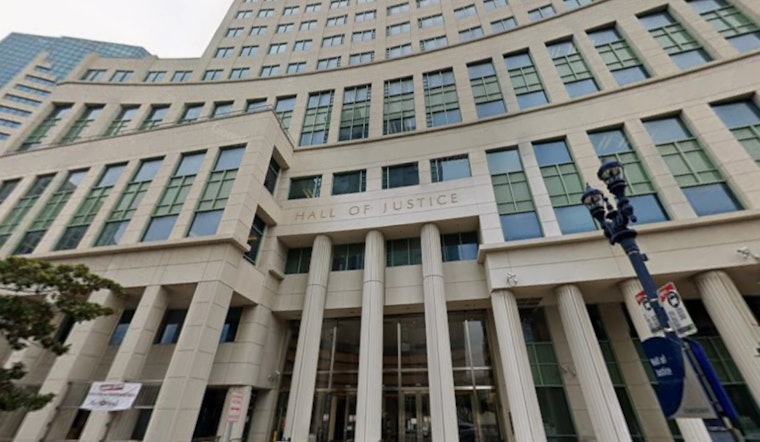
For people whose lives constantly move between San Diego and Tijuana, getting help after a crime can feel like falling into a gap between two systems. Yesterday, local leaders tried to close that gap, unveiling a new crime-service center that focuses on victims who live, work or travel on both sides of the border. The expanded binational effort connects survivors of domestic violence, child abuse, human trafficking and other crimes with a coordinated web of services in San Diego and Tijuana, with officials saying it is designed to chip away at language, immigration and geographic barriers that keep many from ever reporting abuse.
District Attorney Summer Stephan and Consul General Alicia Kerber Palma signed an updated memorandum that formally links the DA’s One Safe Place family justice centers with the Mexican Consulate, according to the San Diego County District Attorney’s Office. At the opening, officials described how consulate staff can now step in to coordinate follow-up care when survivors need services in Tijuana, local television coverage showed, as reported by CBS8.
As reported by Voice of San Diego, the agreement gives consulate staff access to both One Safe Place locations and allows cross-referrals and limited data-sharing, so a case opened on one side of the border can be passed along without forcing a survivor to navigate two bureaucracies alone. “We are strengthening a cross-border network of care so victims can access safety, services and justice wherever they are,” District Attorney Summer Stephan said in a press release, via the San Diego County District Attorney’s Office. Officials said the goal is to keep services culturally and linguistically accessible, regardless of immigration status.
What the center offers
One Safe Place brings together crisis advocates, counseling, forensic medical exams, legal clinics and on-site case management so survivors can get many of the services they need in one stop, according to One Safe Place. Since the network opened its first site in 2022, the North County location alone has served thousands of people and provided thousands of legal services and forensic exams, the Times of San Diego reported.
How binational handoffs will work
The Mexican Consulate said in a press release that its staff will take part in outreach events and provide on-site consular services at the centers, and that consular personnel can arrange referrals to organizations in Tijuana when survivors head back across the border. Officials say those coordinated handoffs and shared case management should cut down on the need for survivors to make multiple, potentially risky trips between countries just to keep their care going.
Why advocates say this matters
Advocates note that immigrant survivors often stay silent about crimes because they fear deportation. Voice of San Diego reported that the consulate saw a sharp drop in requests for help early last year, followed by a rebound in reporting after targeted outreach. While immigration tools like U and T visas exist for some crime victims, the U visa program is capped and plagued by long backlogs, according to USCIS, which can leave survivors waiting years for a final decision.
How to get help
If you or someone you know needs support, One Safe Place operates two family justice centers and a helpline at 888-440-HOPE (4673). Hours and walk-in details are listed on the One Safe Place website. In an emergency, call 911.





