

























































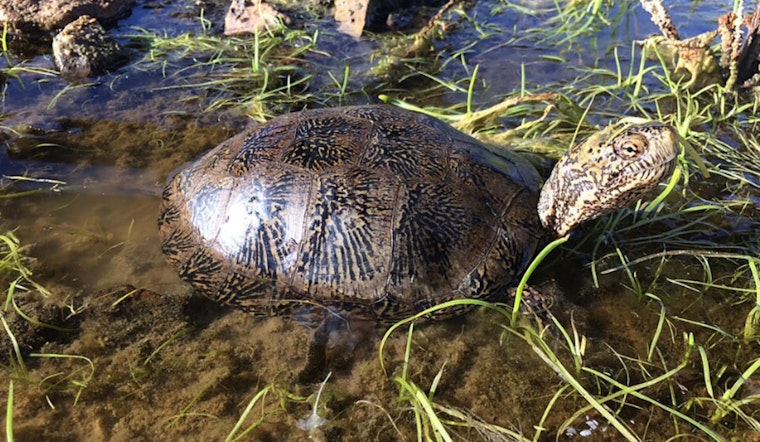
A four-year conservation push for the southwestern pond turtle has quietly turned into a full-on baby boom in the San Gabriel River. Fifteen head-started hatchlings were released into the water this spring, and biologists soon spotted at least one more on their own, bringing the count to 16 youngsters paddling around a once-charred stretch of river. The new generation traces back to an emergency 2020 rescue of 11 adult turtles pulled from a fire-scarred canyon and sheltered until their mountain home could recover, a rare bit of good news for a species squeezed by wildfire, drought, and hungry invaders.
A Daring Rescue After the Bobcat Fire
In early September 2020, a tree branch struck a Southern California Edison power line and sparked the Bobcat Fire, which ultimately burned more than 180 square miles of the San Gabriel Mountains. With debris flows and ash threatening to smother pools along the West Fork, scientists from the U.S. Geological Survey and partner agencies decided the turtles were not going to survive if they stayed put. As documented by Times of San Diego, crews waded into smoky, ash-streaked water and collected 11 adult southwestern pond turtles so they could ride out the aftermath somewhere safer.
A Temporary Home and 15 Surprises
The rescued adults were moved to the care of the San Diego Zoo Wildlife Alliance while agencies watched the watershed and repaired damaged habitat. In 2024, after conditions in the San Gabriel improved, the adults were brought back to their home river. By spring 2026, conservation staff were releasing 15 head-started hatchlings near the same stretch where the adults had once been plucked from the fire zone. According to the San Diego Zoo Wildlife Alliance, the turtles received full health exams and were raised in isolated enclosures to cut down disease risk before they ever touched wild water.
“Just before we were getting to release, we found a baby turtle, which is amazing,” Brandon Scott, the zoo’s wildlife care manager, recalled. Staff say that once they knew what to look for, they started finding newborns in the restored pools almost daily. The combination of returning adults and improved habitat appears to have sparked nesting and successful hatching in the wild. As reported by LAist, at least 15 hatchlings were released in April, and additional discoveries brought the total to 16 juveniles.
Threats Still Loom
For all the good vibes, southwestern pond turtles are far from out of danger. Nonnative red-eared sliders muscle them off basking logs and compete for food, while invasive bullfrogs and crayfish treat bite-sized hatchlings like an all-you-can-eat buffet. The California Department of Fish and Wildlife lists the western and southwestern pond turtle as a Species of Special Concern, and the U.S. Fish and Wildlife Service has proposed putting them under the Endangered Species Act. Those designations are a blunt reminder that without ongoing habitat work, invasive-species control, and long-term monitoring, this little comeback could stall out fast.
What Comes Next
Biologists see the rescue-and-release effort as proof that rapid fieldwork, paired with careful care in human hands, can buy time for a struggling population. But no one is pretending this is a permanent fix. Emerging health threats, especially the shell-disease fungus Emydomyces testavorans, have already been documented in pond turtles and demand constant surveillance plus veterinary planning. The 2020 rescue and the multi-agency operation around it show just how labor-intensive real recovery is, with similar reporting and context available from LAist, while disease reviews are summarized at PubMed Central. Partner agencies say they are already talking about scaling up monitoring, head-starting, and invasive-species control across the watershed.
For now, the San Gabriel River has a pocket-sized but promising clutch of turtles back in residence. Their fate will hinge on continued habitat restoration, invasive-species work, and funding to keep people in the field. The story so far suggests that even after a megafire tears through a landscape, focused conservation that sticks with it over the long haul can still pull a species back from the edge.





