

























































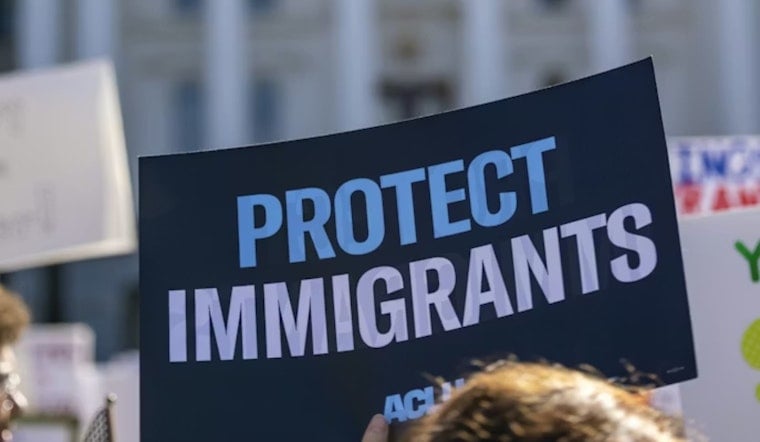
California lawmakers took a step this week toward cracking down on employers who use immigration threats to keep workers quiet about wage theft, unsafe conditions or other workplace abuses. Last Tuesday, they advanced AB 2495, a bill from San Jose Assemblymember Ash Kalra that would create a private right to sue and new penalties for bosses who coerce employees based on actual or perceived immigration status.
According to the bill text on the state site, AB 2495 would broaden what counts as an "unfair immigration-related practice" to include implicit or explicit conduct that would discourage a reasonable person from asserting their workplace rights. Courts could order civil penalties and staggered business license suspensions for violators, and workers who sue and win could recover attorney fees and other costs, per California Legislature.
"Anti-immigrant national rhetoric has emboldened bad faith employers to increasingly deter immigrant workers from complaining about violations of their workplace rights by making veiled threats, chilling statements or implicit warnings about immigration consequences," Kalra told lawmakers, in testimony reported from the committee hearing by the Times of San Diego.
The bill is backed by a broad coalition of labor and immigrant rights groups, and the official committee review lists no registered opposition so far. The analysis cites endorsements from organizations, including the California Federation of Labor and the California Immigrant Policy Center, and describes the measure as closing a gap in current retaliation protections, according to the California Legislature.
What the Bill Would Change
Supporters say AB 2495 would explicitly outlaw a range of tactics that hinge on a worker’s real or perceived immigration status, from threatening to call immigration authorities to dropping vague hints about potential enforcement. Courts could impose civil penalties and, for repeat offenders, suspend business licenses for fixed periods: 14 days for a first violation, up to 90 days for later ones. Workers who prevail in court could also get their attorney fees paid. The specific penalties and remedies are laid out in the bill summary on LegiScan.
Why Backers Say It Is Needed
At the committee hearing, supporters argued that preemptive immigration threats keep many immigrant workers too scared to report wage theft, dangerous job sites or discrimination. Legal Aid at Work told lawmakers that recent immigration enforcement actions have made undocumented workers in particular more hesitant to come forward, according to testimony reported by the Times of San Diego.
Advocates also stress the bigger picture. State data from the American Immigration Council shows that more than one-quarter of California residents were born abroad and that immigrants make up a large share of the labor force. Meanwhile, an analysis by the Institute on Taxation and Economic Policy estimates undocumented immigrants paid about 96.7 billion dollars in taxes nationwide in 2022, with roughly 8.5 billion dollars attributable to California, per American Immigration Council and ITEP report.
Next Steps in the Legislature
AB 2495 has already cleared earlier hurdles and has been re-referred through the Assembly committee process for more scrutiny, most recently advancing out of committee and heading toward the powerful Appropriations calendar. As it moves, lawmakers will weigh amendments, cost estimates and additional testimony before deciding whether to send it to the full Assembly. LegiScan is tracking the bill’s status and votes.
Legal Implications
If it becomes law, AB 2495 would expand current protections and give immigrant and noncitizen workers, including those without legal status, explicit pre-reporting protection against immigration-related coercion. Available remedies would include statutory penalties for each violation, attorney fees for workers who win in court and potential short-term license suspensions for employers. These would come on top of existing labor law remedies, according to the official bill materials, as reported by the California Legislature.
Advocates contend the change could bring long-hidden wage and safety violations to light and help level the playing field for employers who already follow the rules. If business groups eventually line up in opposition, they are expected to raise questions about how the law would be enforced and whether there could be unintended fallout. For now, supporters insist the proposal simply extends existing anti-retaliation protections so they clearly cover coercive, preemptive threats tied to immigration status.



