

























































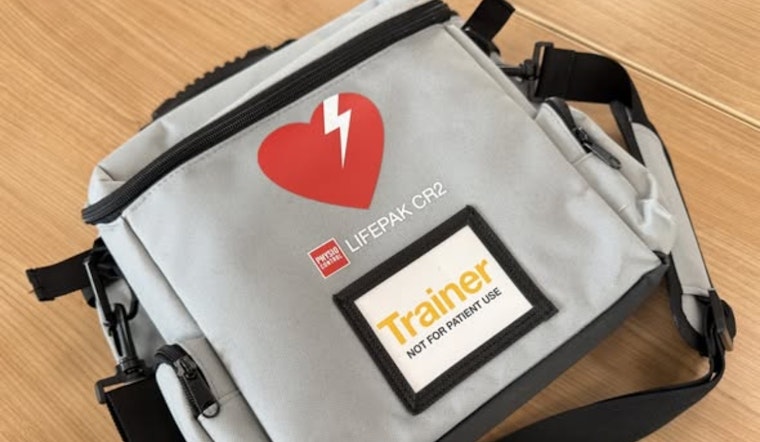
In a life-or-death scramble on a Coyote Point trail on Monday, San Mateo police officers revived a man in his late 20s after finding him unresponsive, using a patrol-car defibrillator to shock his heart back into rhythm before medics rushed him to a nearby hospital. The fast handoff from bystander aid to 911 dispatchers to police with an AED showed how a tight chain of response can turn a worst-case scenario into a save.
According to the San Mateo Police Department, dispatchers received a "hard fall notification" with GPS coordinates on Monday, followed by a report of an unconscious man lying face-down on the trail. While officers raced to the scene, a dispatcher walked a witness through CPR. Once on site, an officer grabbed a mobile AED from her patrol car and delivered a single shock that restored the victim's pulse, the department said in its post.
Where It Happened
Coyote Point Recreation Area is a San Mateo County park at 1701 Coyote Point Drive, according to County of San Mateo Parks. The park’s promenades, marina and web of trails draw a steady flow of joggers, dog walkers and families, which in this case meant someone was close enough to see the man collapse and call for help. County maps and park information help visitors locate trailheads and parking areas so they can describe their exact spot if something goes wrong.
Police Response and Training
San Mateo Police said the department purchased 43 mobile AED units for patrol cars about four years ago and that officers receive CPR and first aid refreshers twice a year. A refresher course was held in February, according to the Facebook post. In Monday’s rescue, dispatchers stayed on the line guiding the bystander through CPR until officers arrived, and a patrol officer’s use of the AED delivered the single shock that brought back a pulse before medics took over care. The department also urged community members who are able to sign up for CPR and AED training, highlighting resources from the American Red Cross.
Why Quick CPR and AEDs Matter
Immediate CPR and early defibrillation are often the difference between life and death after an out-of-hospital cardiac arrest. The American Heart Association reports that prompt CPR can double or even triple a person’s chance of survival, and research shows the odds drop sharply with each minute that passes without a shock from an AED. That makes widespread access to defibrillators and basic bystander training more than just a nice-to-have, and Monday’s Coyote Point rescue is a textbook example of how that “chain of survival” is supposed to work.
How To Help If You Witness an Emergency
San Mateo Police recommended that anyone who can do so consider taking CPR and AED classes and keeping a charged phone handy when heading into parks or onto trails. The American Red Cross lists local training and certification options. If you find someone unresponsive, authorities say to call 911 immediately, follow the dispatcher’s instructions and, if you are willing and able, begin chest compressions until help arrives. Visitors are also encouraged to note trail names, landmarks and map locations so they can give clear directions to first responders when every second counts.



