

























































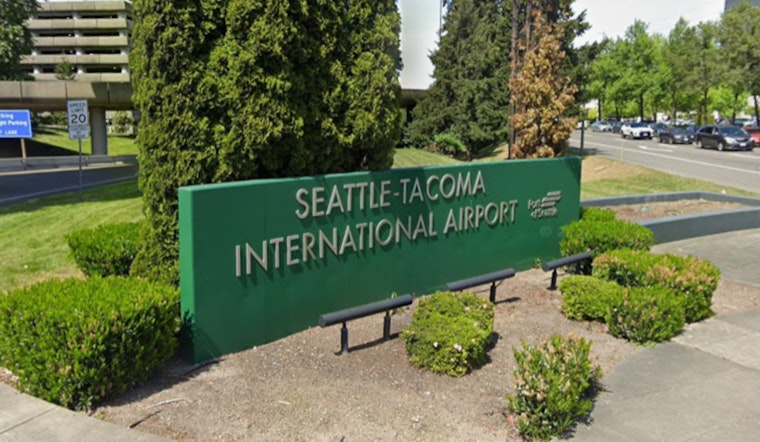
A Seattle-area woman says her attempt to leave the United States on her own terms turned into a bureaucratic loop, after federal officials told her to use a government app to “self-deport,” then repeatedly blocked her from actually getting on a plane. She says she went back to Seattle-Tacoma International Airport again and again, only to be turned away, in a case that sheds light on confusion around the CBP Home app and Project Homecoming, the federal voluntary departure program.
According to an investigation by KING 5, the woman, identified as Anyela, used the CBP Home mobile app to request travel help and an exit stipend. She says her flights were not reimbursed as promised. The outlet documented six failed attempts to depart the country from Sea-Tac between March 17 and April 1, 2026, and reports that she finally managed to leave on April 22 on an American Airlines flight.
The Department of Homeland Security says CBP Home is supposed to let people register that they plan to depart, ask for help with booking flights and claim a stipend after DHS confirms they have left the country. As described by the Department of Homeland Security, the app includes tools to report a departure and request travel assistance through Project Homecoming.
The cash incentive attached to the program has not exactly been consistent. Early materials mentioned a $1,000 stipend, later messaging raised that to $2,600, and the agency briefly dangled a $3,000 holiday promotion. ABC News reported the January increase to $2,600, and Reuters detailed the short-lived $3,000 offer and the broader rollout. Advocates and legal clinics say the shifting numbers make it tougher for migrants to know what, if anything, they can count on when they show up at the airport.
“I feel that the system failed me, that it betrayed me,” she told KING 5, calling the ordeal “horrible” and “very frustrating.” She says she did receive a stipend, but that the flight assistance she expected never materialized, leaving her to arrange her own travel.
How the CBP Home App Is Supposed To Work
CBP Home is a repurposed port-of-entry app that, according to DHS, lets noncitizens signal that they plan to depart and connects them with support if they lack money or travel documents. The department says that once a departure is confirmed, the government can provide travel assistance, a stipend and help from airport “concierge” staff for eligible users.
What Happened At Sea-Tac
KING 5 reports that Anyela tried multiple times to check in and board at Sea-Tac between March 17 and April 1, but was blocked from leaving on each attempt, sometimes by airline workers and sometimes after talking with federal officers. U.S. Border Patrol confirmed to the station that the emails she received from the agency were authentic, even as travel plans repeatedly fell apart.
Legal and Policy Notes
Immigration advocates caution that opting into voluntary departure through the app can come with serious legal consequences. Leaving the country this way can trigger statutory bars on re-entry and complicate future applications, so they urge people to get legal advice before accepting an offer to depart. The Immigration Law Resource Center has a pre-departure checklist that lays out potential risks and steps for people weighing Project Homecoming.
Her experience highlights how a marquee federal effort to use technology to streamline departures can misfire on the ground, leaving migrants caught between big promises of travel help and the reality of scrambled logistics and delayed or missing money. KING 5 has asked DHS for details on how often CBP Home travel bookings fail and how reliably stipends are being tracked and paid out. Public DHS materials state that payments are made only after a person’s return is confirmed.





