

























































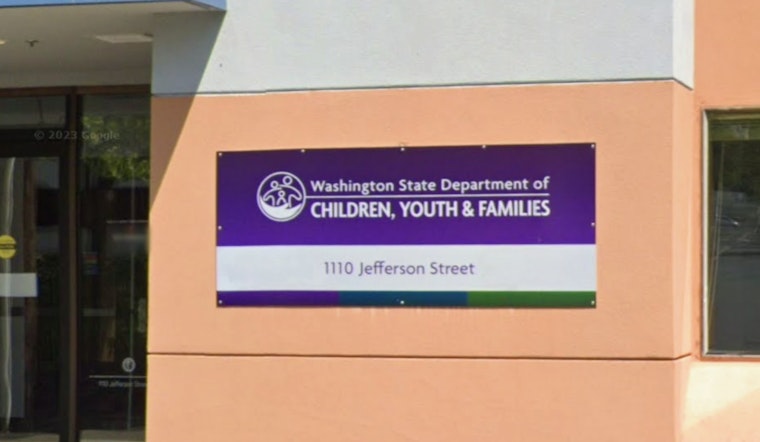
Immigrant teens in Washington’s foster care system are being left to fend for themselves on immigration paperwork that could decide whether they get a green card or face deportation, according to a new class-action lawsuit filed against the state’s child-welfare agency.
The complaint targets the Department of Children, Youth and Families, known as DCYF, and its leader, Secretary Tana Senn. Advocacy groups say the agency has failed to spot which kids might qualify for a narrow federal protection called Special Immigrant Juvenile status, or SIJ, and then help them pursue it. Attorneys argue that kind of neglect can be the difference between long-term stability in the United States and a lifetime of anxiety about detention or removal.
How the Case Was Filed
According to a press release from Children’s Rights, the complaint, filed May 4 in King County Superior Court under the name S.O.L. v. Senn, brings together a legal team from McDermott Will & Schulte, Pfau Cochran Vertetis Amala and Legal Counsel for Youth and Children.
The suit asks a county judge to order DCYF to adopt written policies that consistently screen foster youths for SIJ eligibility, train caseworkers on what to look for, monitor open immigration cases and connect young people with qualified immigration lawyers. Plaintiffs say those basic steps are necessary so teens do not miss strict, time-sensitive windows to secure lawful status.
What the Complaint Alleges
The lawsuit says DCYF has repeatedly dropped the ball for immigrant youths in its custody: failing to identify who might qualify for SIJ, not telling those young people that the option exists, and then neglecting to gather documents, track their immigration status or arrange the legal help that could give them a path to lawful residence.
The complaint estimates that at least 60 immigrant youths are currently in DCYF care. Because the agency is not stepping in, nonprofit attorneys are left to scramble to meet filing deadlines and preserve whatever protections they can. According to reporting by The Seattle Times, advocates say that patchwork approach leaves too much to chance. As reported by The Imprint, attorneys warn the resulting gaps can shut teens out of work authorization, student financial aid and other supports.
Named Plaintiffs’ Stories
One of the young people at the center of the case is identified in court papers only by initials: S.O.L. According to the filings, S.O.L. is an 18-year-old who arrived in the United States alone in 2023 after fleeing violence in Guatemala. In 2025, a Washington court found the teen to be a dependent and neglected child.
Another named plaintiff is 17, with court involvement dating back to 2021, the complaint states. In both stories, advocates say, the state’s failure to move quickly on immigration options left the teens exposed.
Legal Counsel for Youth and Children says it has poured “hundreds of hours and substantial funding” into trying to make up for what DCYF is not doing. The group describes filing the lawsuit as a last resort after years of watching kids come perilously close to aging out of key protections.
Why SIJ Matters
Special Immigrant Juvenile classification is a niche but powerful form of immigration relief. It is available to certain children under 21 who have been abused, neglected or abandoned and who secure specific findings from a state court. Once those findings are in place, SIJ creates a federal pathway to adjust status and, eventually, obtain a green card.
According to USCIS, SIJ cases require a combination of state juvenile-court orders and a federal immigration petition, and the youth has to file before turning 21. Advocates say that makes timing everything. Lawyers told The Seattle Times that the wait between SIJ approval and completion of the green card process can stretch to roughly four years, which means any delay on the front end increases the risk that a teenager will age out of protections without fast, proactive help from the state.
Legal Stakes and Precedent
The plaintiffs are not asking the court for money. Instead, they want structural changes that would require DCYF to systematically screen for SIJ eligibility, track kids’ immigration cases and provide hands-on support as those cases move forward. Advocates argue those reforms could be rolled out relatively quickly if Washington officials decide to cooperate.
They point to Tennessee as proof it can be done. Similar litigation there ended in a 2024 settlement that forced that state’s child-welfare agency to identify and track SIJ-eligible children, hire in-house immigration specialists, prioritize older teens and link them directly with legal services, according to Children’s Rights. The Washington plaintiffs say comparable fixes are needed here to prevent avoidable deportations and to ease the strain on already stretched legal-aid organizations.
DCYF Response and What Comes Next
DCYF is pushing back. A spokesperson told reporters the department “takes the welfare of every child in its care seriously” and “believes the claims lack merit,” according to coverage of the case.
The lawsuit will move forward in King County Superior Court under the caption S.O.L. v. Senn. Plaintiffs are asking the judge to impose requirements for written policies, staff training and case monitoring while the state decides whether to fight the case or negotiate a settlement.
Advocates say whatever happens next could set a blueprint for how Washington’s child-welfare system deals with immigrant youths in foster care. For the dozens of kids whose immigration status is tied up in state custody, the outcome will not just shape agency policy. It could decide where they are allowed to build their lives.





