

























































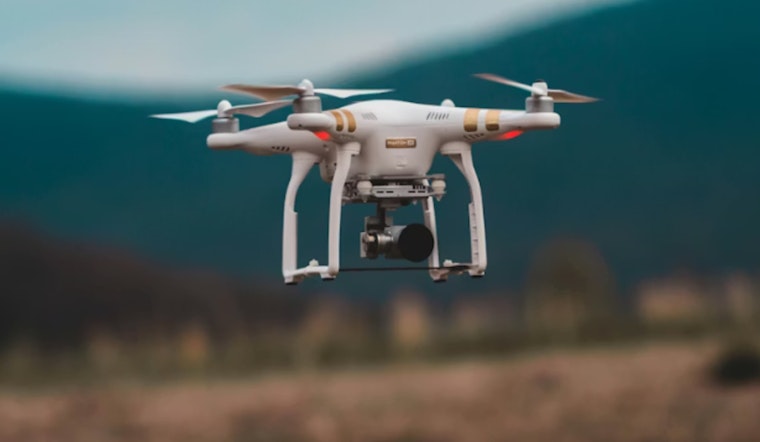
With Seattle gearing up for multiple FIFA World Cup matches at Lumen Field, King County deputies have been spending recent weeks on an unusual assignment: learning how to spot and stop rogue drones before they become a problem. Undersheriff Jeffrey Flohr told reporters the office previously “had no capability to deal with the drone threat,” and local teams are now practicing how to locate, track and, where federal authority allows, disable unauthorized unmanned aircraft. The Renton-area exercises are meant to give deputies tools they say will protect packed match days without disrupting airport operations or lawful hobby flying.
Local training, new tools and FBI help
As reported by KIRO 7, King County deputies ran live drills in the Renton area to bring together classroom training from federal partners with on-the-ground practice using sensors, mobile detection arrays and detailed response playbooks. The sheriff’s office has been expanding its aerial capabilities for months and, per FOX 13 Seattle, has deployed dozens of drones using roughly $12 million in grants. Officials say the goal is a targeted, emergency-driven toolbox, not blanket surveillance of fans.
FBI teams mobilize nationwide
At the national level, Bloomberg reports the FBI plans to deploy roughly 60 specially trained state and local officers across host-city venues to detect and electronically disable hostile drones. Training has been underway in multiple locations as agencies coordinate for the tournament window. Federal planners say the teams will work closely with local police and stadium operators to keep match-day airspace safe.
Why mitigation is complicated
Industry experts note that both technology and law limit how far local agencies can go. Radio-frequency jamming, spoofing and kinetic options are tightly controlled near airports and in dense urban settings, and require FAA and FCC sign-off, according to AFCEA. Detection is also trickier than it sounds in city environments because sensors can pick up birds, reflections and other clutter. At the same time, lawmakers have pushed proposals to expand local mitigation authority for major events, with the Counter Drone State and Local Defender Act one such bill outlined by Police1.
What fans should expect on match days
Fans heading to Lumen Field, which will host six World Cup matches, should expect strict no-drone rules and temporary flight restrictions near the stadium, per the FAA guidance and the stadium’s planning documents on World Cup operations. The FAA’s World Cup safety plan lays out stadium no-fly zones and operational advisories, and local permitting shows exclusion zones around SoDo on match days. Organizers say enforcement will focus on safety and preserving broadcast operations, so hobby pilots should assume a wide radius of restricted airspace on game days.
Officials caution the new tools are not a silver bullet. Witnesses at congressional briefings have acknowledged agencies cannot guarantee they will stop every rogue drone, and planners are emphasizing layered defenses and rapid attribution over single-tool fixes, according to the Washington Examiner. Locally, the sheriff’s office says much of the gear and training will remain after the tournament to support search-and-rescue and other public-safety missions, per FOX 13 Seattle.





