

























































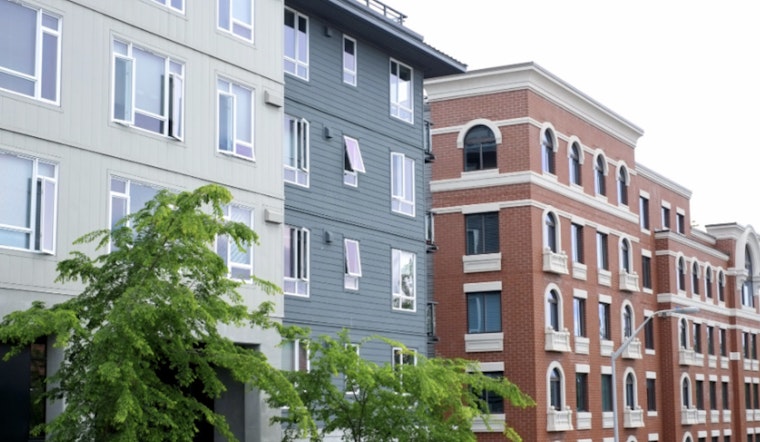
Seattle’s Office of Housing spent Friday trying to tamp down alarm over supposedly idle subsidized apartments, arguing that vacancy in city-funded buildings is about the same as the rest of the rental market and that most open units are in the middle of routine turnover work for incoming tenants. Officials cast the concern less as thousands of empty homes and more as a mismatch between what has been built and the households that need the deepest rent cuts, and they pointed to targeted funding and program tweaks meant to speed repairs and keep buildings open.
According to the Seattle Office of Housing, the six largest affordable housing providers reported an average vacancy rate of 5.1% in 2025, which the agency says is roughly in line with the 5.9% private market vacancy that same year. Officials say most of those empty units fall into standard turnover, meaning cleaning and repairs between tenants, and note that the city put up $14 million in 2024 and $28 million in urgent operating funds in 2025 to help providers keep buildings running. The office also directed $91 million through its 2025 Notice of Funding Availability for capital stabilization and debt restructuring to support buildings considered at risk.
That defense arrives after a year of intense scrutiny. Earlier reporting pegged vacancy in publicly funded units at close to 11% at the end of 2024, or about 2,700 apartments, a much higher figure that raised eyebrows among advocates and elected officials. The coverage, discussed on KUOW, underscored the uncomfortable tension between reportedly empty subsidized homes and a sizable unhoused population.
The Office of Housing also points to what it describes as a structural gap. Roughly 39,000 Seattle households earn under 30% of area median income, and the city estimates there are only about 18,600 units affordable to that group, leaving around half of the lowest income households without a clear affordable match in the current inventory. At the same time, there are about 25,600 households in the 50 to 80% AMI band and roughly 62,900 units targeted to those incomes. Rising AMI levels, set by HUD for the King-Snohomish metro area, combined with a surge of smaller studios and one-bedroom apartments, have pushed some income-restricted rents into price territory that competes with private market options.
Why unit mix and AMI matter
Developers have delivered far more studios and one-bedroom apartments over the past decade, concentrating supply at the smaller end of the market and leaving comparatively fewer family-sized homes. Layer a rising AMI on top of that, and some income-restricted rents now look very similar to market-rate prices, which means those units can lose their edge with renters. Housing analysts and coverage in The Urbanist and other local outlets have traced how those shifts in the market, along with higher operating costs, are creating financial strain for nonprofit housing providers.
City response and what to watch
The Office of Housing says its mix of urgent operating grants, capital stabilization money, and updated NOFA priorities, which now require more family-sized units and deeper set-asides for the lowest income renters, is intended to help providers shorten turnaround times and keep properties solvent. Advocates counter that while those steps are welcome, they are not enough on their own, since the core shortage is still units that are affordable to households earning under 30% AMI. Closing that gap, they argue, will require more construction at those lower income levels and long-term operating support. Over the summer, the city plans to watch NOFA award announcements and provider reports to see whether the new funding and rules actually translate into faster lease-ups.



