

























































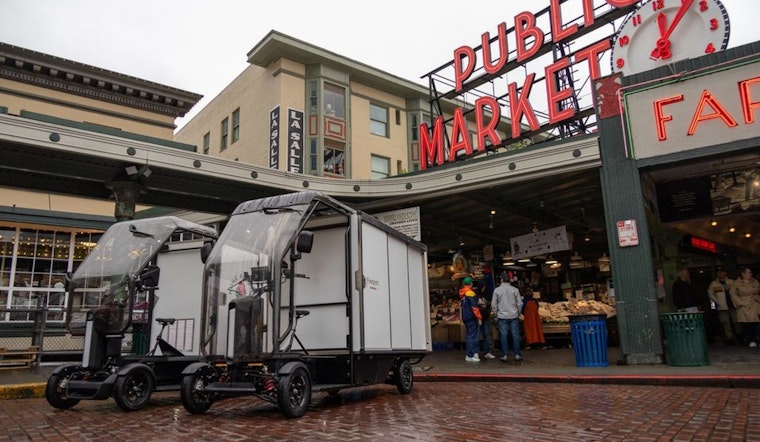
Seattle is dangling free commercial e-cargo bike permits for businesses through Dec. 31, 2026, betting that more downtown deliveries will move to quieter, zero-emission wheels. With a permit, riders can use protected bike lanes and park in marked curb spaces, including some spots that are usually paid parking, so drop-offs can be quicker and less of a headache for everyone stuck in traffic. The Seattle Department of Transportation (SDOT) is pitching the fee holiday as both a climate play and a congestion fix ahead of the 2026 FIFA World Cup, when downtown streets are expected to get even more crowded. Businesses curious about trying an e-cargo bike can apply through the city’s online services portal or reach the program team by email.
What the waiver covers
According to a recent Seattle Department of Transportation update, SDOT will waive commercial e-cargo bike permit fees for participating businesses through the end of 2026. The post, written by Katherine Rice, notes that some e-cargo setups can haul up to 1,000 pounds and that models with refrigerated compartments and weather protection are already on the road. SDOT lists [email protected] as the program’s main contact and says it plans to spotlight local pilot projects as more companies sign on. The department describes the fee pause as a low-risk way for businesses to see if cargo bikes actually fit their delivery patterns.
How to apply and what the permit allows
The city’s permit page from the Seattle Department of Transportation walks applicants through the Seattle Services Portal and lists the paperwork required, such as a current Seattle business license and bike specification sheets. The page confirms that fees are waived in 2026 and adds that SDOT expects to bring back a $100 annual charge per bike starting in January 2027. With an approved permit, businesses can park and load in designated curb areas and use portions of the protected bike-lane network where it is safe and allowed, and SDOT staff will help small fleets get oriented. The permit page also links to a Help Center guide for step-by-step support.
Costs, speed and the research
SDOT is selling the program as a practical climate step that can also trim operating costs. The agency says e-cargo bikes are about 40% cheaper to buy and run than traditional delivery vehicles, citing its own Seattle Department of Transportation analysis. Independent research backs up the speed argument: a University of Westminster study using London GPS data found cargo-bike trips were about 1.61 times faster than comparable van runs, or roughly 60% quicker in dense city centers. Seattle planners also point to European pilots and local freight studies that show real cuts in curbspace demand and emissions, while being clear that bikes are best suited to short, within-city routes.
Legal groundwork
The program is built on a City Council decision that officially defined e-cargo bikes as a vehicle type the city can permit and that spelled out how they may load and park at the curb. Seattle City Council Ordinance No. 127314, adopted in late 2025, amended the municipal code to give SDOT authority to permit e-cargo operations and to set the rules for where bikes can stop and load. That update is the legal backbone that lets SDOT both issue permits and carve out curbspace for e-cargo deliveries.
Practical limits and next steps
SDOT’s Seattle Department of Transportation Zero Emission Freight work with C40 and other planning efforts recommend pairing cargo-bike pilots with micro-hubs, charging or battery-swap options, and secure storage if the city wants to replace more van trips at scale. Those reports say cargo bikes perform best in dense neighborhoods and flag range, weather, hills, and secure parking as ongoing operational challenges. SDOT says it will monitor how many businesses use the permits and will share lessons from early adopters so others can learn from local pilots.
Getting started
To get rolling, businesses are directed to review the permit information from the Seattle Department of Transportation on the City of Seattle website, then start an application through the Seattle Services Portal. The permit page lists what documents are needed and expected timelines. It also reiterates the $100 annual fee that kicks in for each bike in 2027 and outlines the onboarding process tailored to small fleets and solo operators. For questions, SDOT points people to the program’s email address at [email protected].





