

























































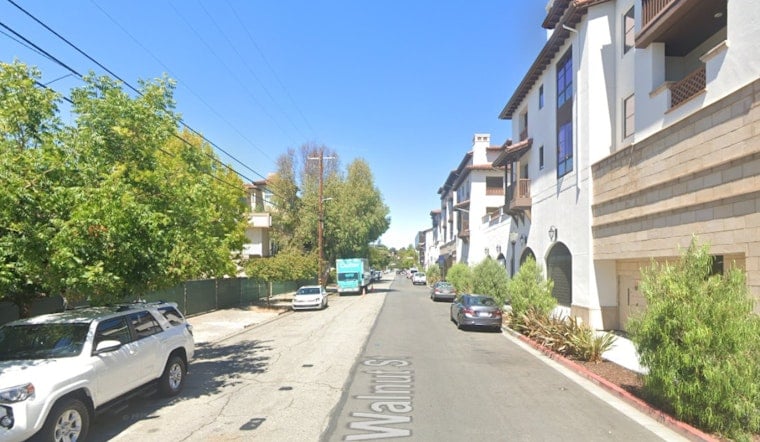
Today, MidPen Housing rolled out plans for a seven-story, 100% affordable apartment building in downtown San Carlos that would add about 95 income-restricted homes and, by design, become the city's tallest residential structure. The proposal targets three county-owned parcels on the 600 block of Walnut Street and is intended to serve local workers, families and people experiencing homelessness. The public meeting drew a mix of enthusiasm and unease from residents and city officials, with height, parking and construction timelines dominating the conversation.
The current design sketches a U-shaped building with two partially underground parking levels, a courtyard of more than 2,000 square feet and play structures for children ages 2–5 and 5–12. The team’s initial plan provides for roughly one parking space per unit, but MidPen has signaled that the ratio will likely shrink as the design evolves. The site sits amid an estimated 8,000-name waitlist for local affordable housing, according to the San Mateo Daily Journal.
Who the Homes Would Serve
Under the county’s development objectives, the project is structured to prioritize low-, very low-, and extremely low-income households, with long-term affordability covenants intended to last for decades. The county’s selection materials call for at least a 25% preference for city and county staff, a minimum of 15% of units reserved for extremely low-income households, and roughly 5% set aside for people experiencing homelessness who would be referred with tenant-based subsidies. Those targets and the negotiating framework are laid out in a board memo from San Mateo County.
County Ownership and Timeline
San Mateo County acquired the three parcels at 626, 640 and 648 Walnut Street in 2024 and formally recommended MidPen Housing as the developer in late 2025, according to a county announcement. The Board of Supervisors also approved an exclusive negotiating agreement and the possibility of a predevelopment loan to help the team complete design and entitlement work. MidPen has outlined a path that includes pursuing state financing in spring 2027, construction beginning in 2029 and the earliest move-ins arriving in 2031, as reported by the County of San Mateo.
Neighbors and What’s Next
The Walnut Street site is no stranger to controversy. A five-story, 35-unit proposal by the Veev Group went through design review and drew neighbor appeals in 2020, and that earlier fight still hangs over the current debate. City planning records documenting the prior design-review hearings for 626 Walnut Street show neighbors raising concerns about views and shadowing during the 2020 process. Community outreach on the new proposal is underway, and both the city and county say they will keep up public engagement even as state housing laws limit some local design controls. For more background, officials point to the city files from the original 2020 hearings.
Funding and Next Steps
The Board of Supervisors has authorized the county housing director to negotiate an Exclusive Negotiating Agreement with MidPen and approved an initial predevelopment loan of up to $250,000 to support early site analysis, outreach and entitlement work. The board memo also requires an initial deposit from MidPen to cover negotiation costs and lays out a framework for a long-term ground lease intended to preserve affordability for at least 55 years. Those resolutions and terms are described in a board memo from San Mateo County.
Legal Framework
Because the proposal would deliver entirely deed-restricted housing, it can tap California’s Density Bonus Law, which requires jurisdictions to grant concessions or incentives, including reduced parking ratios and certain waivers, to qualifying affordable projects. Local negotiations over height, setbacks and parking will unfold within the statutory rules and timelines that govern density bonuses and concessions. For the legal fine print, see the relevant section of the California Legislature.
Next steps for the proposal include additional community meetings and formal entitlement applications during the Exclusive Negotiating Agreement period, with the county and MidPen expected to refine parking ratios, ground-floor activation and the overall building profile in response to feedback. If financing and approvals line up as planned, the current schedule anticipates design and permitting through the late 2020s, a 2029 construction start and the first residents moving in as early as 2031.





