

























































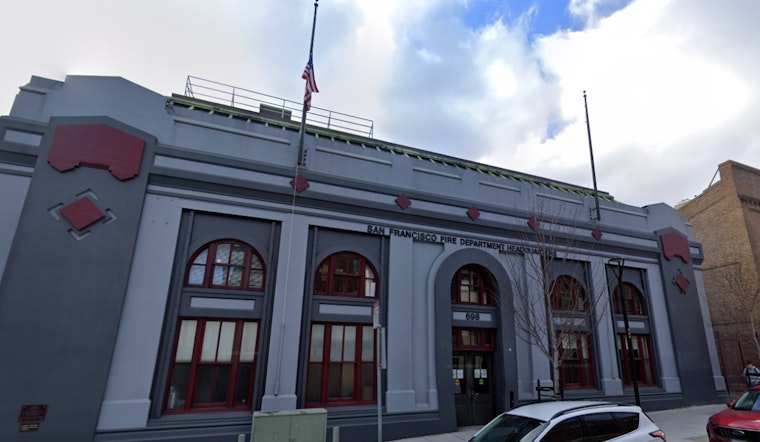
Section Chief Michael Mason of the San Francisco Fire Department's Community Paramedicine Division has been named a 2026 Steinberg Institute Champion for shaking up how the city handles mental health and overdose emergencies. Instead of automatically hauling people to already packed emergency departments, Mason's approach leans on on-scene stabilization, treatment and referrals. His teams, from street crisis response to on-the-street medication-assisted treatment, have helped recast emergency calls as potential first steps toward recovery rather than just another ambulance ride.
According to the Steinberg Institute, Mason is “leading the effort to turn crisis response into a path to recovery,” and the honor spotlights his push to make non-emergency department options a standard part of EMS practice. The San Francisco Fire Department amplified the recognition on X on Tuesday, pointing followers to the institute's profile and underscoring the community paramedicine work and operational shifts behind the award.
What the award recognizes
Mason has supervised the expansion of Street Crisis Response Teams and the Street Overdose Response Team, designed to meet people where they are and offer immediate stabilization or alternative transport. The Street Overdose Response Team, launched as part of the city's broader overdose response, can provide buprenorphine, naloxone and direct links to treatment and housing, as reported by the San Francisco Chronicle.
Data shows a shift off the ER
San Francisco Fire Department statistics indicate that the newer teams are steering many people away from emergency departments. Recent division reports note that, during tracked operational periods, a majority of Street Overdose Response Team encounters remained in the community, while a measurable portion were directed to sobering centers and other non-emergency department resources. The department also reports that since paramedics' scope expanded to include pre-hospital Suboxone on April 1, 2023, SFFD community paramedics have documented multiple pre-hospital inductions, signaling that the field-based medication-assisted treatment pilot is active, according to a San Francisco Fire Department report.
Policy and training backing the work
State policy helped clear the way for programs like San Francisco's. The Community Paramedicine or Triage to Alternate Destination Act (AB 1544) established statewide standards that allow local EMS agencies to develop alternate-destination and community paramedicine programs. Local approvals and training plans from the San Francisco EMS Agency and the Emergency Medical Services Authority have formalized the SFFD program and its curriculum, according to LegiScan and the San Francisco EMS Agency.
The Steinberg Institute has framed the recognition as a nod to a model that prioritizes dignity alongside measurable results, calling Mason “a true champion for the most vulnerable members of our community.” As San Francisco continues to expand training and reimbursement pathways for mobile crisis care, the department's community paramedicine work is positioned as one to watch for other cities wrestling with packed emergency rooms and rising overdose deaths, according to the Steinberg Institute.




