

























































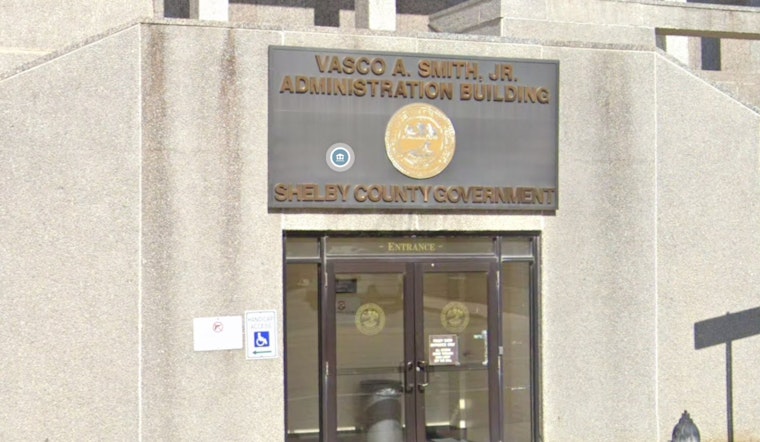
Shelby County commissioners are set to debate a plan from District 12 Commissioner Erika Sugarmon that would tighten the rules for the commission’s community grant program, forcing applicants to spell out exactly how they plan to spend county money. Instead of broad budget buckets, the proposal would require itemized spending for a roughly $2.6 million pool of commissioner-controlled grants, a move that follows Mayor Lee Harris’ warnings that grant funding is taking up a hefty share of the county budget.
Sugarmon’s draft would shut the door on catchall categories. The measure says that general descriptions such as “personnel,” “operations,” or “administrative expenses” are not good enough, according to The Daily Memphian. Backers argue that forcing more precise breakdowns will make it harder for organizations to gloss over how public dollars are used.
On paper, Shelby County’s Community Enhancement Grant program is set up as a decentralized system in which each commissioner can sponsor nonprofit requests, with applications running through an online Fluxx portal and past recipients required to file year-end accounting, according to Shelby County. Local reporting has noted that the arrangement typically works out to about $200,000 in grant money per commissioner, or close to $2.6 million total, a structure that tends to make any talk of reform instantly political, as discussed on PBS. Fans of the system say it lets commissioners respond quickly to neighborhood needs, while critics argue that oversight has been uneven at best.
What prompted the push
The appetite for stricter wording is no accident. Last year, federal prosecutors filed bribery and tax-evasion charges tied to alleged kickbacks involving grant-funded work, a storyline local outlets followed closely. Coverage of those cases, combined with Mayor Harris’ budget concerns, has pushed calls for tighter documentation and safeguards into the spotlight, per reporting from Tri-State Defender.
What the proposal would change
Sugarmon’s plan would make detailed line items and supporting receipts the standard for grant requests, narrow what counts as an acceptable budget category and build verification steps into staff review before any money goes out the door. The county already requires prior-year grantees to file detailed end-of-year reports and to have chief financial officers certify how funds were spent. The new language would shift some of that scrutiny to the front end and make it more formal, according to Shelby County. Supporters frame it as a common-sense transparency fix, while some smaller nonprofits worry it could slow down payments or pile on paperwork.
Politics and next steps
The measure is headed into a commission that is already split between those who want to preserve fast, localized discretion over grants and those pushing for tougher, centralized rules. Earlier this year, a proposed one-month freeze on new grants failed on a divided vote, a sign that commissioners do not agree on how quickly or how aggressively to reshape the program, a dynamic discussed on PBS. When Sugarmon’s language hits the floor, expect debate to center on how soon the new rules would kick in and how much additional work they would create for county staff.
Legal and ethical risks
Stricter documentation rules by themselves would not increase criminal liability, but they would create clearer paper trails for auditors and investigators, which is exactly what watchdogs have been asking for in the wake of recent scandals. Whether the county pairs this rule change with beefed-up auditing, stronger ethics enforcement or extra training for smaller grantees will likely determine whether the overhaul brings real accountability or just thicker files.
Residents and nonprofit leaders tracking the proposal may want to review commission materials and the county’s existing grant guidance before the hearing to see how the suggested enforcement and reporting timelines could affect both new applicants and longtime recipients.



