

























































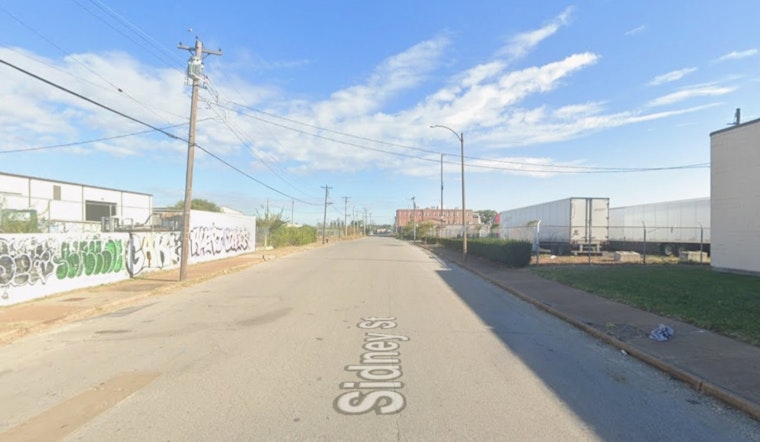
In a few short weeks, Joan and Wayne Long expect to move out of their Sidney Street building in the Kosciusko neighborhood, likely by the end of May or early June. When they go, roughly 100 emergency winter shelter beds could go with them, stripping a big chunk of capacity from the city’s cold-weather safety net. For three winters, the couple opened the lower showroom of their red brick complex to anyone who needed a warm place to sleep on dangerously cold nights, turning private space into a crucial public lifeline. Advocates warn that if the Longs ultimately sell to a private developer, one of St. Louis’ largest informal winter shelters could quietly disappear.
The Longs say they need about $2.1 million to shift the property into public-service use and avoid selling to a developer, according to St. Louis Magazine. The building already has an occupancy permit that would allow a nonprofit to operate it as a shelter, but efforts to land a quick, lump-sum purchase have stalled. “If we knew three years ago what I know now, I would have created a capital campaign three years ago,” Peter & Paul CEO Anthony D’Agostino told the outlet, describing his frustrations with the slow pace of talks at City Hall.
On paper, the city is planning for winter. Its proposed FY2027 operating plan sets aside one-time funding for emergency cold-weather response, including $2 million for the Code Blue program, according to the City of St. Louis’ budget release. City announcements also show that Code Blue activations this season added surge capacity, at times bringing more than 600 additional emergency beds online to handle extreme cold, per city news releases about winter operations. Officials say their strategy is to pay providers to secure shelter leases and surge beds rather than to directly run private facilities over the long haul.
Why Losing Sidney Street Matters
Service providers say the timing of a potential sale could not be worse. Leaders told St. Louis Magazine that the Code Blue effort produced roughly 20,000 bed-nights this season and helped about 1,000 unique people. The same reporting notes that losing both the Sidney Street site and a similar space at 3205 S. Kingshighway would sharply shrink Peter & Paul’s emergency footprint. Peter & Paul’s own winter recap details how precarious surge capacity can be, describing how the agency operated up to seven overflow sites and provided thousands of shelter nights, a reminder of how quickly systemwide capacity can evaporate when just a few key properties go offline.
What Advocates And Providers Are Asking
Advocates say the cleanest solution would be a one-time capital purchase or a targeted grant that locks the building in for a nonprofit operator, though the tight timeline and the need for a lump-sum payment make that a heavy lift. Peter & Paul has said it could pursue city funding or bid on contracts to lease and operate surge locations, and the city’s procurement pages show the administration can issue RFPs and contracts to pay providers for emergency services. In the meantime, the Longs have hired a realtor and are talking with potential buyers, leaving a narrow window for donors, nonprofits and city officials to piece together a deal before winter rolls around again.
With the Longs preparing to downsize, local shelter leaders say the next few months will decide whether Sidney Street stays a lifesaving winter option or is converted into private housing. Peter & Paul and the Longs say they will keep pressing for a public-private arrangement that keeps the doors open, but they also warn that hanging on to long-standing emergency capacity will take coordinated action and money on the table fast.





