

























































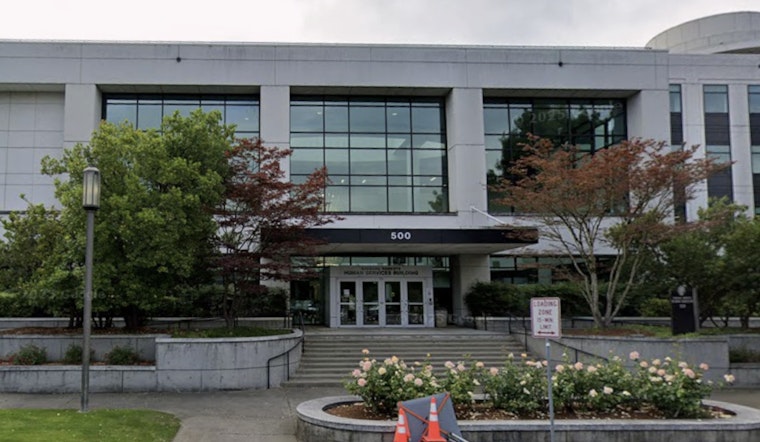
A Marion County wrongful-death complaint filed this month alleges that a 31-year-old man with Prader‑Willi syndrome died after eating spoiled, unrefrigerated food while living in an adult foster home that was accepting people in state custody. The suit names the Oregon Department of Human Services, its Office of Developmental Disabilities Services and the Duressa Teshite adult foster home, and it seeks $5 million in damages. Family members and their attorneys argue the death shows a serious breakdown in care for a highly vulnerable adult who needed strict supervision around food.
According to The Oregonian/OregonLive, unrefrigerated food items were discovered in Lee Massie‑Hardy’s room on April 12, 2023. He was taken to an emergency department on May 1 with abdominal pain, nausea and vomiting, and the complaint states that he died of hypovolemic shock on May 14, 2023. Portland attorneys George McCoy and Nicole Lemieux are listed as the lawyers who filed the case in Marion County Circuit Court.
Prader‑Willi syndrome is a rare genetic condition that can trigger intense hunger and persistent food‑seeking behavior, which can be life‑threatening without tight environmental controls and individualized care. The Foundation for Prader‑Willi Research notes that people with the disorder require careful supervision around food and specialized behavioral and medical supports.
What the lawsuit says
The complaint says staff at the foster home failed to follow Massie‑Hardy’s individualized care plan, including a 2,000‑calorie daily limit, and did not properly secure food. As a result, the suit claims, unrefrigerated food was allowed to build up in his living space. It further alleges that Massie‑Hardy stole food from a store in the spring of 2023 and later consumed spoiled items that led to the illness and hospitalization described by The Oregonian/OregonLive.
Oversight and state care context
Adult foster homes in Oregon are licensed and inspected by the state’s Aging and People With Disabilities unit, which maintains a public online portal listing consumer summaries, inspection reports and regulatory actions. The broader system has drawn scrutiny for staffing and placement shortages. A court‑appointed special master’s report and related oversight documents have pointed to ongoing challenges in matching people with high needs to appropriate homes and in monitoring care, circumstances that advocates say can raise risks for vulnerable residents in state custody.
Legal implications
The family’s $5 million claim is now set against Oregon’s legal framework for wrongful-death and public-entity cases. State law caps noneconomic damages in wrongful-death actions at $500,000 under ORS 31.710, and claims that involve state agencies can face additional limits and procedural rules under the Oregon Tort Claims Act. Those restrictions are expected to shape how both sides approach damages and liability as the case moves forward.
The complaint remains pending in Marion County Circuit Court. The department did not immediately provide a statement to reporters, and a person who answered the phone at the foster home told a reporter the death was not the home’s fault. Plaintiffs say they intend to use the lawsuit to press for accountability and for clearer safeguards for people with severe food‑related behavioral risks who are placed in community homes under state care.




