

























































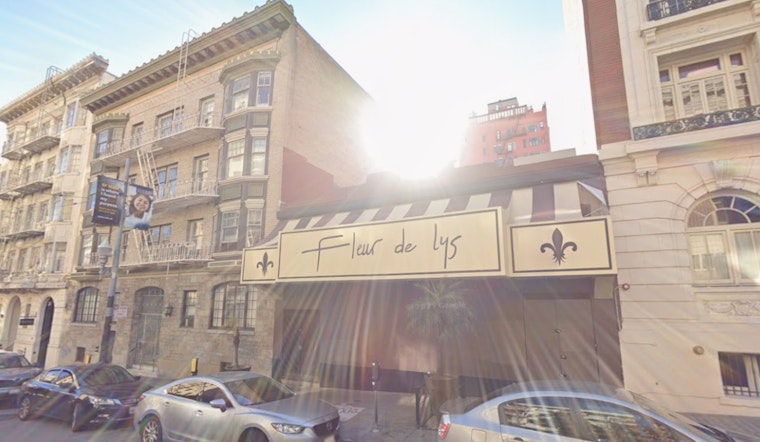
Two newly entitled high‑rise projects in downtown San Francisco have already hit trouble with their lender before a single shovelful of dirt was turned. Notices of default have been recorded on an approved SoMa tower and a Lower Nob Hill infill project, putting both developments at risk just as the city struggles to get new construction off the sidelines. The developer still has a window to cure the defaults, but the filings raise fresh questions about whether these towers will ever rise.
Notices of default filed
As reported by The Real Deal, lender Arixa Capital recorded notices of default this month against Forma Development Design & Management tied to two downtown parcels. The filings connect a $9.3 million loan to the SoMa site and a $5.8 million loan to the Nob Hill site, and indicate the developer owed more than $17 million as of April 15.
Approved but not started
Both projects were proposed in September 2024 and later cleared ministerial review, so on paper, they were ready to go. The San Francisco Planning Department's 2025 Housing Inventory lists the SoMa parcel as a 26‑story, roughly 130‑unit tower approved on July 1, 2025, and the Nob Hill parcel as a 26‑story, 36‑unit infill project approved in October 2025. SF YIMBY has previously published renderings and permit details for the 896 Folsom Street proposal, highlighting how far along the paperwork is compared to the actual construction.
Developer, financing and past trouble
According to The Real Deal, public records show Forma founder Walid Mando bought the Folsom Street parcel for just over $2 million in 2008, and a Forma affiliate refinanced the site with a roughly $2 million loan in 2017. A prior lender served a notice of default in 2022. That earlier default was later resolved when the project was refinanced with Arixa, which now holds the $9.3 million loan tied to the SoMa property. Neither Forma nor Arixa has publicly commented on the most recent notices, which were recorded this month.
What happens next
A recorded notice of default is a serious public step, but it does not automatically flip the switch to foreclosure. California's nonjudicial sale rules outline notice, publication, and posting requirements and give borrowers time to cure defaults, as set out in California Civil Code § 2924f. Copies of recorded notices can be reviewed through the City and County of San Francisco's recorder's office for anyone who wants to follow the paper trail.
Neighbors and the bigger picture
The Sutter Street proposal had already drawn neighborhood backlash over its height, and that fight looks different now that the financing behind the project has sputtered. SF YIMBY and other local coverage documented vocal opposition at the project's informational hearings, with neighbors wary of another tall tower being built in the area. Meanwhile, the Planning Department's Housing Inventory shows many approved projects still lingering in the pipeline, leaving entitled sites exposed whenever lending or construction markets wobble.
City officials, lenders and neighbors will be watching to see whether Forma can bring the loans current or whether negotiations with Arixa push the properties toward a sale or transfer. If lenders start moving more aggressively on entitled but unbuilt sites, this episode could speed up a broader scramble for capital across San Francisco's stalled projects.





