

























































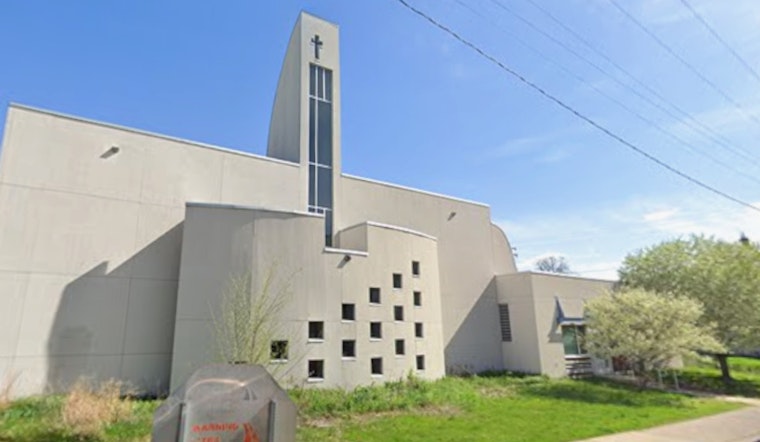
On a quiet south Minneapolis block this week, a small church gathering turned into a big statement about who controls land in the city. Our Saviour’s Lutheran Church formally handed over a church-owned parcel known in the neighborhood as the Green House to an Indigenous-led organization, describing the move as an act of reparations. Church leaders and Indigenous organizers signed transfer documents and then stuck around to celebrate with neighbors on Friday, wrapping up more than a year of planning with the Indigenous Protector Movement.
Signing the deal, sharing the land
According to reporting from MPR News, the deed was signed by congregation president Samantha Heaton, lead pastor Martha Bardwell and Indigenous organizer Rachel Dionne-Thunder. Photos from the scene showed the three leaders huddled over paperwork at the site while neighbors and clergy watched.
People at the event described the handoff as a carefully planned, symbolic shift of stewardship and resources into Indigenous hands, not just a real estate transaction. For the congregation, it was a public moment to put long-discussed commitments about repair and justice into writing.
What the Green House is slated to become
Our Saviour’s billed the event on its website as a “Land Transfer Ceremony” and invited neighbors to gather at the Green House for community time and celebration. For months, the congregation’s Sentinel newsletter has laid out a plan to move a double lot, including the Green House and an adjacent parcel, to the Indigenous Protector Movement under a memorandum of understanding.
Church materials describe the future of the site as a community hub that could support housing, cultural programming and healing, with the transfer framed as part of a broader reparations and neighborhood-partnership effort. In other words, the church is not just stepping back from the property, it is trying to help seed a long-term Indigenous-led presence there.
How the Indigenous Protector Movement sees the site
The Indigenous Protector Movement calls the Green House property a “sacred space” for Indigenous-led healing, harm-reduction work and culturally rooted housing. Organizers say that holding title to the land will let them grow programs that emerged from recent grassroots organizing in south Minneapolis.
On its website, IPM highlights work on community safety, advocacy and events in the neighborhood, and lists an East Franklin Avenue office as its program hub. Leaders say the land transfer shifts meaningful decision-making power about the site to Indigenous leadership and creates a permanent base for services that had, until now, been operating without that kind of anchor.
A growing trend among Twin Cities faith communities
Across the Twin Cities, churches and other faith communities have been moving from statements and study groups to more concrete steps intended to repair past harms, including gifts of money and property. Reporting by the Star Tribune has documented this regional shift toward material forms of reparations.
Local advocates argue that transfers like the Green House handoff matter because they return resources and local control to communities that have historically been dispossessed. Leaders from both the congregation and IPM have described this deal as one practical move within much broader calls for land stewardship and reparative action.
What comes next on the corner lot
Leaders say the completed transfer sets up a legal framework for the Indigenous Protector Movement to begin planning repairs, programming and phased development of the Green House as a community hub. Organizers are already asking neighbors for input as they map out those next steps.
Both the congregation and IPM say they plan to keep working together to hammer out remaining details and to make sure the site is used in ways that reflect local Indigenous needs and priorities. The paperwork may be signed, but the shape of what grows on that land will now be worked out in conversation with the community around it.


