

























































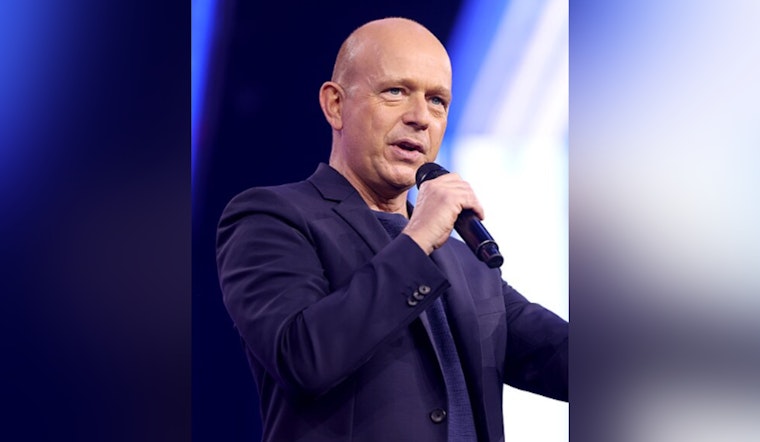
Republican gubernatorial hopeful Steve Hilton rolled out a big swing at California’s energy establishment in Sacramento on Monday, unveiling a plan he says would overhaul how the state polices its power sector, drive down household electricity bills and spur more in‑state production. The proposal is a centerpiece of his broader “Califordable” agenda, which links energy deregulation to his promises on housing and taxes. With gas and electric costs weighing on voters this spring, Hilton is pitching regulatory shakeups as a top cost‑cutting move.
Hilton introduced the outline at an event at the State Capitol, according to ABC10. The announcement folds into a larger package he has been selling under the “Califordable” brand, which CapRadio reported earlier this month frames affordability as the through line of his campaign. Campaign aides told the outlet the measures are meant to cut what they describe as “bureaucratic red tape” that they argue is inflating monthly bills and everyday prices for families, CapRadio reported.
Coverage of the race, along with a March letter from Hilton to industry executives, shows he has already urged energy companies to keep operations in California while promising to remake the regulators who oversee them, according to reporting by AOL/New York Post. Political analysts note that any Republican governor would likely try to reshape key executive agencies, and that such moves would run headlong into Sacramento’s Democratic supermajority. That backdrop helps explain why energy regulation has turned into an early flashpoint in the primary.
What Hilton Wants To Change
Hilton’s campaign platform calls for rolling back large‑scale renewable energy mandates, scrapping certain subsidies for wind and solar farms, and elevating what the campaign describes as “affordability and reliability” as the guiding stars of state energy policy. The platform paper spells out those changes and frames them as tools to pull down rates for customers. Hilton’s policy brief argues that replacing mandates with market competition would cut costs.
At the same time, state rulemaking on programs such as cap‑and‑invest is already in motion and deeply technical, and the Legislative Analyst’s Office has noted that changes to those programs can ripple through both consumer prices and state revenues. The LAO provides the kind of detailed fiscal and policy backdrop that regulators and lawmakers are now weighing behind the scenes.
Pushback And Political Hurdles
Democratic legislators, environmental groups and many climate advocates argue that sweeping rollbacks of mandates and subsidies could undercut California’s long‑term emission‑reduction goals, and they say any such effort would trigger intense legal and legislative fights at the Capitol. News coverage has also underscored the statutory independence of heavyweight agencies like the California Air Resources Board and the California Public Utilities Commission, and observers say those structures are designed to make rapid, across‑the‑board change difficult.
The Los Angeles Times and The Guardian have both highlighted how any Republican “revolution” at the top would run into entrenched Democratic power and a dense web of existing climate and energy laws.
How This Could Play Out
Even if a new governor tried to swiftly install new leadership at key agencies, many of the policies Hilton is targeting are locked into statute or embedded in ongoing rulemakings that can take months or years to unwind. Major reversals would almost certainly draw court challenges. Policy analysts point out that program timelines, carbon auction schedules and legislative budget decisions all create practical speed limits on how fast an incoming administration could redirect state energy policy.
The Legislative Analyst’s Office has noted that those technical and budgetary calendars would shape any attempted pivot on cap‑and‑invest and related programs, making sudden course corrections unlikely. The LAO
For now, Hilton’s energy pitch moves into the hands of voters as part of his broader affordability push on housing, taxes and utility costs. Whether the promise of smaller electric bills through a regulator shakeup resonates strongly enough to carry him through the June primary will be an early test of how much appetite Californians have for this kind of disruption in Sacramento.





_(cropped).jpg)