

























































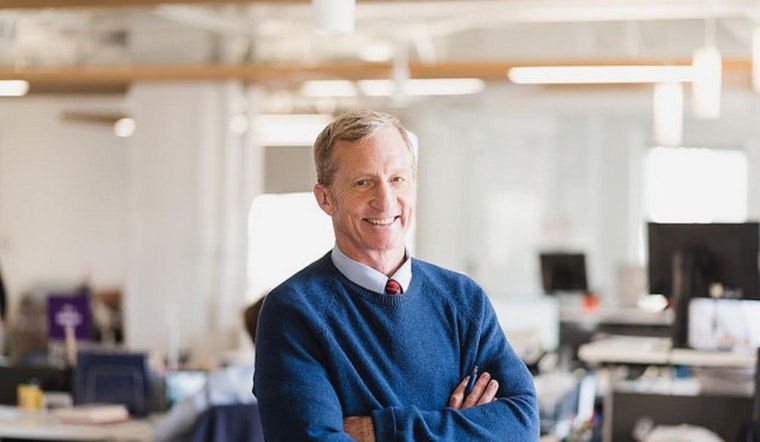
Tom Steyer’s campaign is getting a hard look from California regulators after a flood of influencer-style social posts that appear to have been paid for by the campaign but went up without clear political disclaimers. The Fair Political Practices Commission (FPPC) has opened a review and sent letters to the campaign and at least one creator. The campaign says those payments are fully reported in finance filings and that creators are told about disclosure rules, while critics argue the whole operation made paid content look like organic enthusiasm.
According to The Sacramento Bee, a strategy memo and campaign filings show Steyer’s team paid larger creators thousands of dollars and approached smaller accounts with offers starting at $10 per video, with bonuses tied to views. The Bee reported that creator Isaiah “Zay Dante” Washington was paid about $10,000 to post across TikTok, Instagram and YouTube. The campaign also used a SideShift listing to recruit creators under a “High Volume UGC” approach, encouraging issue-focused content that would not mention Steyer by name as a way to build audience trust first.
The Washington Post reported that the FPPC sent a letter saying it was examining potential violations of the advertisement disclaimer provisions of California’s Political Reform Act after creators Beatrice Gomberg and Kaitlyn Hennessy filed a complaint. The Post reviewed financial records showing that some creators were paid through a contractor, Gutsy Media, and that at least one influencer, Jason Chu, received roughly $2,000 for online communications work on the campaign’s behalf. Investigators are focused on whether those paid posts were clearly labeled so voters could tell they were sponsored content.
What the law requires
California adopted a 2023 provision requiring anyone paid to support or oppose candidates online to include a clear, conspicuous disclaimer in their posts. Committees also must notify any paid poster about that requirement. Under the state code and materials from the Fair Political Practices Commission, failing to disclose can trigger enforcement reviews and administrative penalties, although the agency’s response depends on the specific facts of a case. The FPPC’s guidance makes it clear the disclosure has to be obvious and cannot be buried in comments, long caption text or other hard-to-spot corners of a post.
Creators call the outreach predatory
Some creators who say they were approached by the campaign described the outreach as predatory or at least misleading. Serabeth Mullaney told The Sacramento Bee she was offered $10 per post and declined. Gomberg, who filed the complaint, told The Washington Post the operation was trying to create the appearance of a grassroots movement and risked confusing followers about who was actually behind the messages. Creators argued that small-dollar payments combined with instructions to avoid naming the candidate outright can make disclosures less likely and much harder for viewers to notice when they do appear.
Campaign response and political stakes
The Steyer campaign, in a statement reported by The Washington Post, said it believes in compensating people for their time and work product and stressed that all payments are disclosed in campaign finance reports. The fight over the influencer push comes as Steyer has poured heavy spending into the race, with ad trackers and filings showing outlays in the low hundreds of millions. That level of spending dwarfs many rivals and raises questions about how traditional ad budgets get translated into creator deals and social content, according to AP News. How regulators rule here could shape how campaigns and vendors structure creator programs ahead of the June 2 primary.
The FPPC has not set a public timeline for the review, and any discipline, if any, will depend on whether investigators find systemic disclosure failures or a few isolated lapses. For both campaigns and creators, the inquiry underscores a growing tension: social platforms reward what looks and feels authentic, while modern campaigns increasingly treat influencers like another paid media channel. Whatever the FPPC decides is likely to echo through the rules of political persuasion online long after this primary is over.




