

























































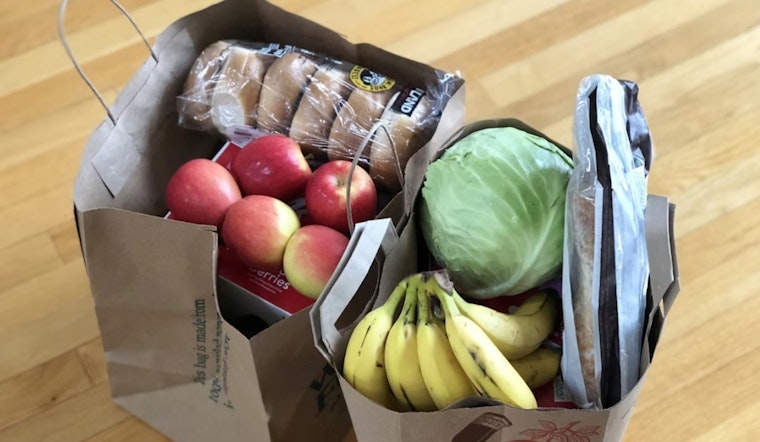
San Franciscans are leaning on buy now, pay later plans to keep kitchen shelves stocked, and the fallout is starting to hit in late payments and buyer's remorse. What started as a quick checkout option is now acting as a short-term lifeline for some households, but that lifeline can fray fast when multiple repayment schedules pile up at once.
LendingTree's 2026 Buy Now, Pay Later report lays out the shift in hard numbers. Among BNPL users, 29% say they have used it to buy groceries, up from 14% just two years ago. Nearly half, 47%, admit they were late on at least one BNPL payment in the past year. The survey also found that 68% of users say BNPL has pushed them to overspend, and 54% say they rely on it to make ends meet. Roughly one in four users is juggling three or more BNPL loans at the same time. You can see the full report at LendingTree.
Recent local coverage has highlighted this trend among shoppers who are effectively using BNPL like a revolving tab for basics. As reported by KSLTV, credit counselors and financial analysts warn that stacking several short-term plans for recurring purchases can quickly turn a convenient tool into a serious strain on the monthly budget.
What regulators are watching
Federal regulators are paying close attention to how these short-term plans are being used. Research from the Consumer Financial Protection Bureau has flagged BNPL users for holding multiple loans at once and for heavier use among people with lower credit scores, patterns that can add stress to already fragile household finances. In a January 2025 analysis that linked BNPL originations to credit records, the CFPB found that many of these loans were not appearing in traditional credit files at all. The bureau's findings are detailed on the Consumer Financial Protection Bureau website.
How to keep short-term loans in check
To keep BNPL from quietly taking over your budget, consumer advisers suggest treating every plan like a regular bill and capping yourself at one active BNPL loan at any given time. A simple move that can save you from regret is a 24-hour cooling-off rule, leaving big or spur-of-the-moment purchases in your online cart for a day before you commit. Setting calendar reminders or turning on autopay can help you avoid missed installments and late fees.
LendingTree cautions against stacking several plans together and recommends using a credit card instead when you think you might return an item, since dispute and refund protections are clearer. It also urges shoppers to read fee schedules carefully before opting in. For more on the 24-hour cooling-off advice, see coverage from CBS News.
Local help and alternatives
If BNPL regularly covers groceries or other everyday essentials, there may be short-term help available that reduces the need to borrow in the first place. In San Francisco, the San Francisco-Marin Food Bank and regional helplines like 2-1-1 Bay Area can connect residents with emergency food assistance and support with CalFresh enrollment.
Nonprofit credit counselors and neighborhood credit unions can also step in to help map out repayment plans, negotiate late fees, and compare BNPL with potentially cheaper options, such as 0% introductory credit-card offers for planned purchases.
BNPL can be a useful tool when used sparingly, but national data and local reporting show it is increasingly acting like ongoing credit rather than an occasional budget helper. Keeping track of due dates, limiting overlapping plans, and tapping local support when essentials get tough to cover can make the difference between a handy bridge and a financial sinkhole.





